Australia's banking sector faced a bruising day of reckoning on Thursday, as the corporate regulator sued the country's biggest bank for allegedly overcharging tens of thousands of business customers, while a rival bank disclosed it had underpaid nearly 66,000 of its own staff by $169 million.
The two cases, announced within hours of each other, have put Australia's largest lenders under fresh scrutiny over basic compliance — the kind of failures regulators say should never happen at institutions of their size.
Table of Contents
- ASIC Takes Commonwealth Bank to Court
- How the Hidden Fees Allegedly Worked
- Nineteen Years of Allegedly Misleading Terms
- NAB's $169 Million Wage Bill
- A Sector Under Strain
- Key Takeaways
- Frequently Asked Questions
- Sources
- Related Coverage from Chronicle
ASIC Takes Commonwealth Bank to Court
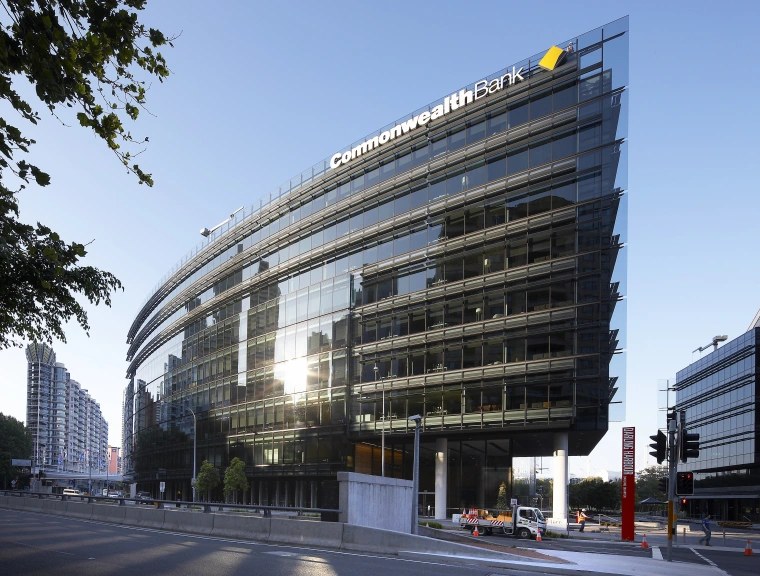
The Australian Securities and Investments Commission (ASIC) said on 12 November that it had commenced civil penalty proceedings against Commonwealth Bank of Australia (CBA) in the Federal Court, alleging that tens of thousands of customers of its CommBiz online business banking platform were overcharged millions of dollars in fees they were never told about.
ASIC alleges that between November 2020 and 31 May 2025, about 42,000 CommBiz customers — many of them small businesses — were overcharged approximately $8.5 million. The regulator is seeking declarations, financial penalties, adverse publicity orders and costs. The court has not yet listed the case for a case management hearing, and no ruling has been made on the allegations.
"For example, a small business paying the fortnightly wages of 10 employees from two CommBiz accounts was charged 12 fees: 10 for the payments to its employees and another two undisclosed fees for the money being withdrawn from its own accounts," ASIC said in its media statement, as reported by FX News Group.
ASIC Commissioner Alan Kirkland said the alleged conduct represented a failure by Australia's biggest bank to get the basics right over many years.
How the Hidden Fees Allegedly Worked
CommBiz is CBA's online banking platform for business customers, used to send payments such as wages through Direct Credits and to collect payments through Direct Debits. Customers were told they would pay a fee for each payment to or from a third party's account.
ASIC alleges the bank also charged a second, undisclosed fee for the matching movement of money into or out of the customer's own CommBiz account — the so-called "contra leg" fee. The fee at the centre of the case was 25 cents plus GST, according to the bank.
The sums involved for any single customer were small. CBA said the median remediation payment made to affected customers was about $85, with an average of about $442 including interest. But multiplied across tens of thousands of businesses over years, the total reached millions — and the regulator's case is about disclosure, not just dollars.
Nineteen Years of Allegedly Misleading Terms
ASIC alleges the misleading terms and conditions had been in place since CommBiz was launched in 2006, meaning customers were overcharged for around 19 years. The $8.5 million figure in the proceedings covers only the period from November 2020, the limit of the regulator's claim.
The regulator says CBA did nothing to fix the issue despite receiving complaints as early as 2015 and identifying the overcharging during an internal audit in 2016.
CBA paused the fees in June 2025 and amended the CommBiz terms in August 2025. Since February 2026 it has waived the contra leg fees on Direct Debits and Direct Credits. The bank said it had identified the issue itself, reported it to ASIC and cooperated fully with the investigation.
It has completed a remediation programme covering the period from 1 December 2006 to the present, paying more than $26.4 million to about 93,000 past and current CommBiz customers, including around 40,000 small businesses.
NAB's $169 Million Wage Bill
On the same day, National Australia Bank disclosed that it must repay $169 million in underpaid wages, interest and superannuation to almost 66,000 staff, as part of a decade of failures to meet an enterprise agreement, according to the Fair Work Ombudsman.
The underpayment problem was first identified and reported to regulators in 2019, and it took seven years to fully remediate — a timeline that will invite uncomfortable questions about how a major bank can take so long to pay its own people correctly.
The twin disclosures land in a week when the sector is already under pressure: ANZ chief executive Nuno Matos publicly called for coordinated global regulation of artificial intelligence's impact on employment, warning that without it the world faces an international jobs crisis, as Australian banks accelerate outsourcing.
A Sector Under Strain
Australia's "big four" banks are among the most profitable in the world, and they have spent the past decade rebuilding trust after a royal commission exposed widespread misconduct in 2018. Thursday's announcements suggest the clean-up is far from finished.
For CBA, the case is a reminder that small, systematic charges can become large liabilities when they run for years without disclosure. For NAB, the wage bill is a reminder that compliance failures are not confined to customer-facing products — they can sit inside a bank's own payroll for a decade.
Both banks will now be watched closely: CBA by the Federal Court, and NAB by a workforce that has waited years to be paid what it was owed. The cases also raise a broader question for regulators — whether the penalties and publicity orders they seek are enough to change behaviour at institutions that have faced similar findings before.
For small businesses, the practical lesson is simpler: check the fees on your bank statements. The charges that cost CBA's customers $8.5 million were 25 cents at a time.
Key Takeaways
- ASIC has sued Commonwealth Bank in the Federal Court, alleging about 42,000 CommBiz business customers were overcharged around $8.5 million in undisclosed fees between November 2020 and May 2025.
- The case centres on "contra leg" fees charged for money moving into or out of customers' own CommBiz accounts — fees ASIC says were never disclosed.
- ASIC alleges the misleading terms were in place since CommBiz launched in 2006, with complaints in 2015 and an internal audit identifying the problem in 2016.
- CBA has paid more than $26.4 million in remediation to about 93,000 customers and says it identified the issue itself and cooperated with ASIC.
- On the same day, NAB disclosed it must repay $169 million in underpaid wages, interest and superannuation to almost 66,000 staff after a decade of payroll failures first flagged in 2019.
- ASIC is seeking declarations, financial penalties, adverse publicity orders and costs; the court has not yet set a hearing date.
Frequently Asked Questions
What is ASIC alleging against Commonwealth Bank?
ASIC alleges CBA's CommBiz terms and conditions were misleading because they failed to clearly disclose all the fees business customers would be charged for Direct Debit and Direct Credit payments. It says about 42,000 customers were overcharged roughly $8.5 million between November 2020 and 31 May 2025.
What is a "contra leg" fee?
It is a fee charged for the matching movement of money into or out of a customer's own CommBiz account when a payment is made to or from a third party. Customers were told they would pay a fee for the payment itself; ASIC alleges the additional fee for the movement of their own money was never disclosed. The fee was 25 cents plus GST.
How long did the alleged overcharging go on?
ASIC alleges the misleading terms had been in place since CommBiz launched in 2006 — around 19 years. The $8.5 million figure in the court case covers only the period from November 2020. CBA says it has remediated customers back to December 2006.
What has CBA done about it?
The bank paused the fees in June 2025, amended the CommBiz terms in August 2025, and has waived contra leg fees since February 2026. It has paid more than $26.4 million in remediation to about 93,000 customers and says it identified the issue itself and cooperated with ASIC.
What did NAB admit on the same day?
National Australia Bank disclosed it must repay $169 million in underpaid wages, interest and superannuation to almost 66,000 staff, after a decade of failures to meet an enterprise agreement. The problem was first flagged to regulators in 2019 and took seven years to fix.
Has the court ruled on the CBA case?
No. ASIC has commenced civil penalty proceedings in the Federal Court, but the court has not yet listed the matter for a case management hearing, and no finding has been made against the bank.
Sources
- FX News Group, 12 November 2026: "ASIC takes Commonwealth Bank of Australia to Court for alleged overcharging of CommBiz business customers".
- Digital Advisors, 12 November 2026: "ASIC sues CommBank over alleged CommBiz overcharging".
- Australian Broker, 12 November 2026: "ASIC sues CBA over alleged hidden CommBiz fees".
- Law360 Australia, 12 November 2026: "ASIC Sues CBA Over $8.5M In Alleged Hidden CommBiz Fees" and "NAB Must Repay $169M On Decade Of Payroll Underpayments".