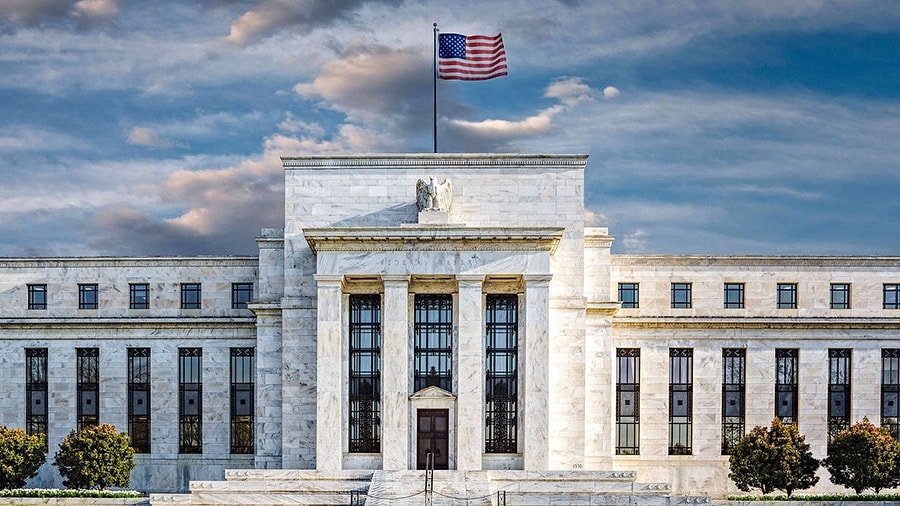
The Federal Reserve kept its benchmark interest rate unchanged on Wednesday, October 28, 2026, holding the federal funds rate in a range of 3.75% to 4% as policymakers chose to wait for more evidence about where inflation and the economy are heading. The decision, taken at the central bank's final meeting before the November midterm elections, came just six weeks after officials raised rates for the first time in more than three years — a reminder of how quickly the policy debate has shifted from cutting borrowing costs to containing prices.
The vote was not unanimous. Ten of the Federal Open Market Committee's twelve voting members backed the hold, while Governor Lisa Cook and Cleveland Fed President Beth Hammack dissented, preferring another quarter-point increase. Their dissent keeps the pressure for further tightening visible inside the committee, even as the majority opted for patience.
In its statement, the committee repeated that inflation remains elevated and pledged to deliver price stability, while arguing that gathering more information would help it judge the policy stance needed to bring inflation back to its 2% target in a timely way. The statement offered little guidance about the next move, leaving markets to weigh whether a further hike will come at the Fed's final meeting of the year in December.
Table of Contents
- A pause after a long-awaited hike
- Why inflation is proving stubborn
- The dissenters' case for moving again
- Politics in the background, independence in the foreground
- What the hold means for borrowers
- What happens next
- Frequently Asked Questions
A pause after a long-awaited hike
The hold follows a significant policy turn in September, when the Fed raised its benchmark rate by a quarter point for the first time since 2023. That move, covered in Chronicle's earlier report, ended years in which the central bank's main concern had been supporting growth. The October decision does not reverse that turn — it pauses it, giving officials time to assess how the September increase is filtering through the economy before deciding whether more tightening is needed.
The committee also noted that economic activity is expanding at a strong pace, supported by resilient domestic spending, strong productivity growth and robust capital investment, despite elevated uncertainty linked in part to geopolitical developments. Job gains, it said, have kept pace with growth in the workforce, and the unemployment rate has changed little. In other words, the economy is giving the Fed room to wait: growth is not collapsing, which would argue for cuts, but neither is it running so hot that an immediate further hike is unavoidable.
That balance is what makes the pause defensible. A central bank that hikes too fast risks tipping the economy into recession; one that waits too long risks letting inflation expectations drift upward. Wednesday's statement tries to hold both risks in view at once, committing firmly to price stability while refusing to pre-commit to a date or direction for the next move.
Why inflation is proving stubborn
The core problem is that inflation, after falling for much of the past few years, has stopped cooperating. Consumer prices rose 3.7% over the twelve months through September, a faster annual pace than the previous month, while producer prices jumped 6.3% over the same period — a warning that cost pressures could keep feeding through to consumers into the holiday season.
A major driver is energy. The war with Iran has pushed fuel prices higher, and September's consumer price report showed its fastest monthly pace in five months, driven largely by energy costs connected to the conflict. Anadolu Agency reported that policymakers weighed elevated inflation against strong economic growth in reaching their decision, and the statement's language — inflation "remains elevated" — leaves no doubt about which side of the ledger worries them most.
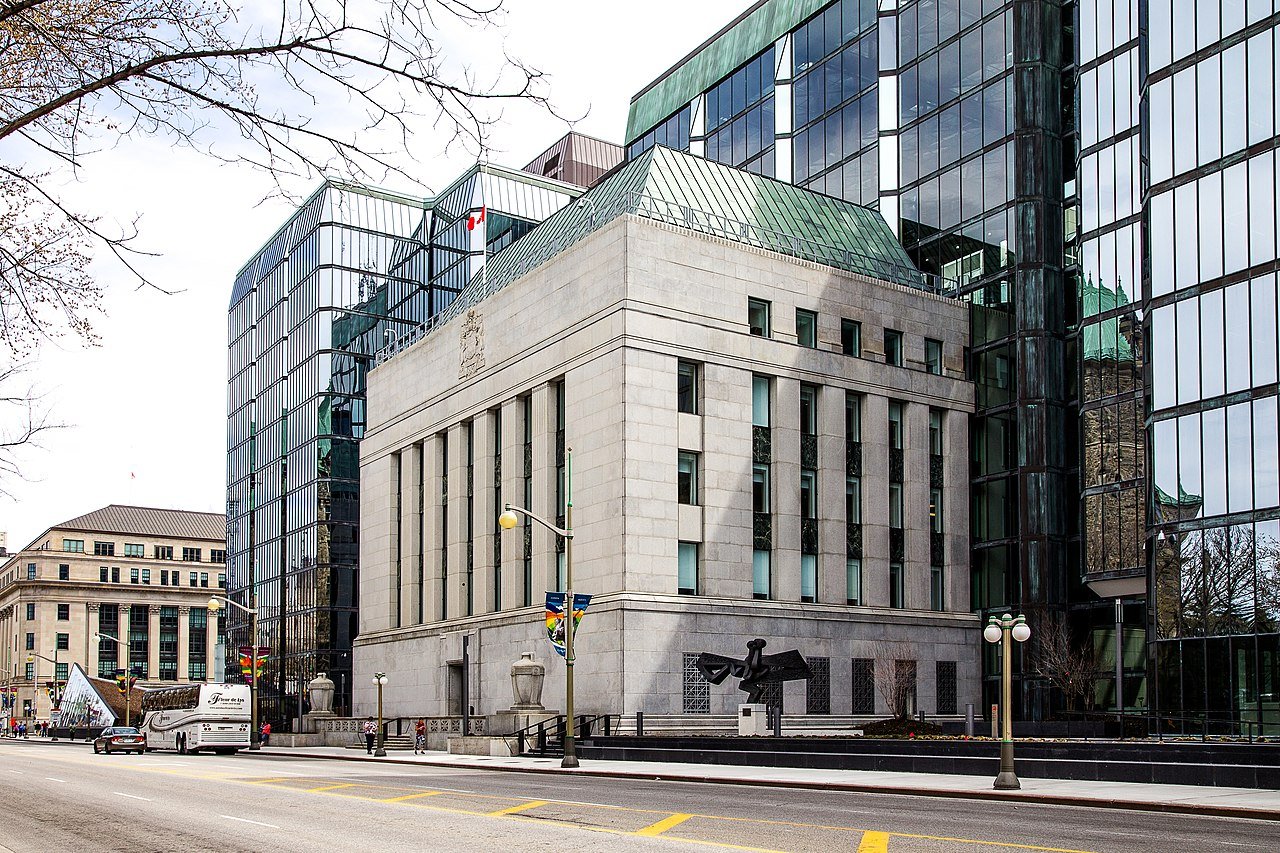
The energy shock also helps explain why central banks elsewhere are moving in the same direction. On the very same day, the Bank of Canada raised its own key rate for the first time in three years, citing the risk that soaring energy costs spill into broader inflation. The two decisions, taken hours apart, sketch a shared diagnosis: energy-led price pressure is now the dominant threat to price stability across North America.
Crucially, though, the inflation picture is not uniformly bad. The September data also showed broad-based price increases across goods and services, not just energy — which is why the dissenters argued for acting now rather than waiting. For the majority, however, the correct response to a mixed picture is more information: fresh data, including the personal consumption expenditures price index due Thursday, will show whether the September acceleration was a blip or the start of a trend.
The dissenters' case for moving again
Cook and Hammack wanted a quarter-point hike this month, and their votes matter beyond the arithmetic. A dissent from two voting members signals that a meaningful bloc inside the committee believes holding rates is too accommodative while inflation sits well above target. If incoming data confirm the September acceleration, that bloc could become a majority by December — forecasters already expect a quarter-point increase at the year's final meeting.
The dissent also sharpens the question facing Chair Kevin Warsh, who was due to face reporters on Wednesday afternoon. He was expected to be pressed on why the Fed chose not to raise rates despite persistent price pressures and signs of a strong economy — and on whether the pause is a genuine reassessment or simply a decision to avoid acting days before an election.
Politics in the background, independence in the foreground
The timing of the meeting, less than a week before the November 3 midterm elections, inevitably colours the politics of the decision. Some economists noted that a hike so close to polling day would have looked political, whatever its economic merits. Affordability has become a central campaign issue, with voters frustrated by high prices at petrol pumps and grocery stores, and Democrats favoured to win a House majority in early polling.
At the same time, the Fed's independence has been under unusual strain. President Donald Trump has repeatedly argued that rates should be lower, not higher, and his administration tried to remove Governor Cook last year — an effort the Supreme Court blocked in June, ruling she could keep her job while litigation played out. Trump renewed the attempt last month by setting up a committee to examine allegations of mortgage fraud against Cook, which she has denied. No president has ever fired a Fed governor, and the episode has become a test case for the central bank's independence from day-to-day politics.
Against that backdrop, a 10–2 vote to hold — with dissenters pushing for tighter, not looser, policy — is itself a statement. It shows a committee willing to keep policy restrictive in the face of presidential pressure for cuts, while also resisting the temptation to hike aggressively into an election week.
What the hold means for borrowers
For households and businesses, Wednesday's decision brings a measure of relief, but not a reversal. September's increase is still working its way through the system: it typically takes one to two billing cycles before a rise in the federal funds rate translates into higher credit card APRs, and mortgage and loan rates have already moved up. Holding steady means borrowing costs are not going higher this month — but they are not coming down either.
That distinction matters for anyone waiting for relief. The Fed's message is that the fight against inflation is not over, and that the next move, if the data warrant it, is more likely to be up than down. Borrowers planning major purchases or refinancing should therefore treat today's pause as a reprieve, not a turning point.
What happens next
All eyes now turn to two dates. The first is Thursday, when the Bureau of Economic Analysis releases the September reading for the Fed's preferred inflation gauge, the personal consumption expenditures price index. A soft reading would vindicate the pause; a hot one would strengthen the dissenters' case. The second is December, when the committee meets for the final time this year and markets currently expect another quarter-point hike.
Beyond the data, the election result itself could reshape the backdrop. The outcome will influence the timeline for the war in Iran — a major driver of this year's inflation — and with it, the energy prices that have complicated the Fed's task all autumn. Warsh and his colleagues will have to judge, meeting by meeting, whether the inflation surge is a war-driven shock that fades or a broader price pressure that demands a sustained response.
For now, the Fed has bought itself time. Whether that time produces the clarity it is waiting for — or simply delays a decision the data will eventually force — is the question that will define the December meeting.
Frequently Asked Questions
What did the Federal Reserve decide on October 28, 2026?
The Federal Open Market Committee voted 10–2 to leave the federal funds rate unchanged at a range of 3.75% to 4%. It was the Fed's final meeting before the November midterm elections and came six weeks after its first rate hike in more than three years.
Who dissented from the decision?
Governor Lisa Cook and Cleveland Fed President Beth Hammack both dissented, preferring to raise rates by a further quarter point. Their dissent signals that support for additional tightening remains within the committee.
Why did the Fed hold rates if inflation is still high?
The committee said inflation remains elevated but argued that accumulating more information would help it determine the policy stance needed to return inflation to its 2% target in a timely way. Officials also noted strong economic growth and a stable labour market, giving them room to wait for fresh data rather than act immediately.
Will the Fed raise rates in December?
Forecasters expect a quarter-point increase at the Fed's final meeting of the year, but the committee gave no signal in its statement. The decision will depend heavily on incoming data, including Thursday's personal consumption expenditures price index and the outcome of the midterm elections.
What does the hold mean for borrowers?
Borrowing costs will not rise further this month, but September's hike is still filtering through to credit card APRs, mortgages and loans. The hold is a pause, not a reversal: the Fed has signalled that its next move, if warranted by the data, is more likely to be another increase than a cut.