Four years after the death of Mahsa Amini, the compulsory hijab is losing the streets of Iran — and the regime knows it. So it is changing tactics. Rather than relying on the notorious "morality police" patrols that sparked the 2022 uprising, hardliners are shifting enforcement toward quieter, more pervasive pressure: workplaces, services and businesses. The message to owners and managers is simple — if unveiled women appear on your premises, your business pays the price.
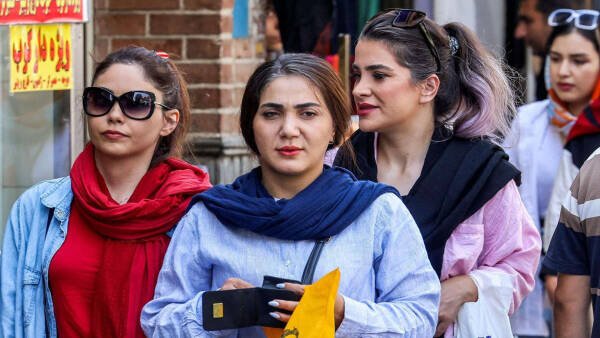
According to DW, the shift comes as ever more women in Iran openly reject the headscarf rules. In parts of Tehran and other major cities, women can now regularly be seen in shopping centres, cafes and public transport without the mandatory hijab — a sight that was far rarer before Amini's death in September 2022.
The judiciary chief's "prudent" crackdown
The new push has a clear architect. Judiciary chief Gholamhossein Mohseni Ejei has ordered prosecutors, police, intelligence agencies and government bodies to confront what he called "social abnormalities," including public unveiling. According to the state-run IRNA, Ejei demanded "decisive" action against "indecency and nudity" — while insisting any measures remain strictly within the law and be applied with "prudence, wisdom and planning," Rudaw reported.
Ejei claimed President Masoud Pezeshkian and parliament back the approach. The order follows complaints from hardline politicians that the state had gone soft on clothing rules. Gholam-Ali Haddad-Adel, an influential politician, recently argued that the Islamic Republic could not focus on policing women's clothing because of "wartime conditions" — a line that alarmed conservatives who see unveiling as a security threat.
Businesses in the crosshairs
The new strategy is already visible in how enforcement works in practice. In recent months, prosecutors and law enforcement have increasingly targeted commercial establishments over alleged hijab violations:
- Cafes and teahouses: In July, the public prosecutor of Kohgiluyeh County announced the closure of 10 cafes and teahouses in Dehdasht for allegedly failing to observe religious standards.
- Hotels: Last Sunday, authorities announced an investigation into a music event and incidents involving unveiled women at a hotel in Nowshahr. In May, the historic Ameri House Hotel in Kashan was sealed over alleged hijab violations, Iran International reported.
- Entertainment: In August, singer Hiwa Seyfizade said on Instagram she had been sentenced to four years in prison after performing a public concert in Tehran last year.
The pattern is unmistakable: make employers, hoteliers and restaurateurs the enforcers, and the state never has to send a patrol van.
A society that has moved on
The crackdown's problem is that Iranian society has moved further than the regime can admit. Videos from towns and cities show the overwhelming majority of women have given up covering their heads, treating it as a settled fact of life. An Iranian lawyer, Sedige Basmagi, told the Korean daily Kyunghyang Shinmun that "women who do not wear the hijab are, in a sense, engaging in civil disobedience against the government."
Mai Sato, the UN special rapporteur on human rights in Iran, wrote last month that "the resistance sparked by the death of Amini has not died down" and that women are "asserting the right to decide their clothing, occupations, and lives." On the fourth anniversary of Amini's death in mid-September, merchants closed stores and joined strikes in at least 11 cities, according to the Norway-based rights group Hengaw — while security forces sealed off the cemetery in Saqqez where Amini is buried.
Even the security apparatus is divided. The Associated Press reported last month that the new Basij chief, hardline cleric Hossein Taeb, cautioned commanders to handle the headscarf issue without harming "internal cohesion," echoing Ayatollah Ali Khamenei's signal that the war struggle takes priority over domestic dress codes. The regime is caught between a population that has stopped complying and hardliners who see every uncovered head as a challenge to the state.
Frequently Asked Questions
What is Iran's new approach to hijab enforcement?
According to DW, hardliners are shifting from "morality police" street patrols toward social and economic pressure on workplaces, services and businesses — shutting or fining establishments where unveiled women appear.
Who ordered the renewed crackdown?
Judiciary chief Gholamhossein Mohseni Ejei instructed the prosecutor general to work with police, intelligence agencies and government bodies to act "decisively" against public unveiling, with "prudence, wisdom and planning."
Are businesses actually being punished?
Yes. In recent months authorities sealed a historic hotel in Kashan, closed 10 cafes in Dehdasht, and opened an investigation into an event at a Nowshahr hotel over alleged hijab violations.
Has street-level enforcement eased?
Somewhat. Multiple reports indicate street checkpoints and patrols comment less on unveiled women than before — but prosecutions, surveillance cameras, fines, vehicle seizures and business closures continue.
Why is the regime hesitant about a full crackdown?
Iran faces war-related strain, intensifying US sanctions, and an economy in deep crisis — January's currency-crash protests snowballed into nationwide anti-government marches. Even hardliners fear renewed mass unrest.
Related reading: Iran's Rial Hits Record Low Amid War and Economic Crisis · Iran Summons Norway Envoy Over Starlink Claim