NATO would annihilate the attacking force of anyone "foolish enough" to strike the alliance — and everything behind it. That was the blunt message from the alliance's top military commander on Monday, as nerves across Europe fray over a possible Russian escalation.
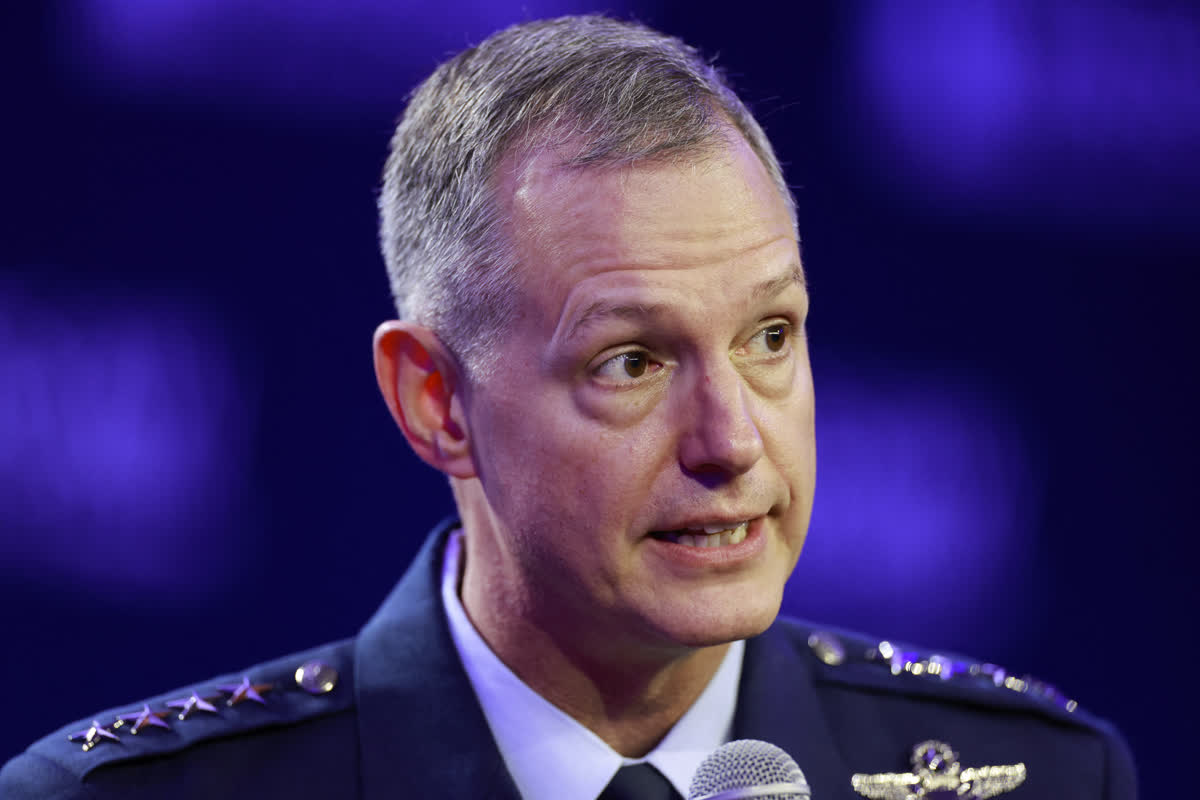
Speaking at the opening session of the Warsaw Security Forum, US Air Force General Alexus Grynkewich, NATO's Supreme Allied Commander Europe, laid out a three-stage doctrine for responding to aggression: "We will block the initial attack. If the attack persists, we will blunt it and prevent any enemy advance. And if required, we will break the enemy's forces and the operational war-fighting system arrayed against us."
The warning in detail
Grynkewich did not name Russia directly, but the context was unmistakable. European governments have accused Moscow of intensifying a campaign of sabotage, drone incursions and cyberattacks against them, while Russia warned last month it could use nuclear weapons if NATO tried to cut off its Baltic exclave of Kaliningrad, where it maintains a major military outpost.
Most significantly, the general said NATO's response would not be limited to the forces carrying out an initial attack. "Should the adversary choose to press the attack or commit his reserves, we will break the warfighting system engaged against us," he said. "This includes not just the attacking force itself, but anything and everything that supports, sustains and controls that force."
It was a rare moment of public candour about alliance war planning from a serving SACEUR, and it follows his earlier warnings about Russia's "theory of victory" — the Kremlin's supposed belief that it can outlast Western resolve.
'We've got this'
Grynkewich said he had chosen to speak publicly because recent acts of sabotage and arson had made ordinary citizens across the alliance anxious. "What I want to do is assure the one billion citizens of our alliance that we've got this. We know what we need to do. We know how we would do it," he said.
He stressed that NATO remains a defensive alliance and that he does not consider a conflict imminent or inevitable. "The most effective way to preserve peace is to prepare for war," he added, calling for open lines of communication to "resolve misunderstandings."
"We will, in short, ensure any attack, against any ally, proves utterly futile," he concluded — an explicit invocation of the collective-defence logic at NATO's core.
The American commitment question
The general also moved to defuse persistent European doubts about Washington's commitment to the alliance under President Donald Trump, citing the president's reception at the NATO summit in Ankara in July. "I was in the room and I felt the love," Grynkewich said.
His remarks came as Poland's foreign minister, Radosław Sikorski, separately warned that NATO must prepare for a potential Russian hybrid attack — and as the alliance's nuclear exercise Steadfast Noon got under way over Italy.
NATO's 10-year strategy, drawn up in 2022, describes Russia as the alliance's most significant security threat. Russian President Vladimir Putin said this month that Russia has no plans to attack any European country — a reassurance that has not calmed European capitals, which remember similar pledges before Moscow's full-scale invasion of Ukraine in 2022. For more on how alliance thinking has evolved, see Chronicle's analysis of NATO's eastern-flank posture.
Frequently Asked Questions
Who is General Alexus Grynkewich?
Grynkewich is a US Air Force general serving as NATO's Supreme Allied Commander Europe (SACEUR) — the alliance's highest-ranking military officer and operational commander of Allied forces.
What did he say at the Warsaw Security Forum?
He warned that NATO would "block" an initial attack, "blunt" it if it persisted, and "break" the enemy's forces and the entire warfighting system supporting them — "anything and everything that supports, sustains and controls that force."
Did he name Russia?
No. He did not mention Russia by name, but the remarks came amid European accusations of a stepped-up Russian campaign of sabotage, drone incursions and cyberattacks, and a Russian warning that it could use nuclear weapons over Kaliningrad.
Does he think war is imminent?
He explicitly said he does not believe a conflict is imminent or inevitable, and described NATO as a defensive alliance — while insisting the best way to preserve peace is to prepare for war.