Britain has formally accused Iran of targeting a military airbase on English soil. Prime Minister Andy Burnham told parliament on Monday that the security scare at RAF Fairford in late September was "highly likely to have been coordinated in Iran, almost certainly directed by Iran's Islamic Revolutionary Guard" — the strongest attribution London has made since the incident triggered a major counter-terrorism operation.
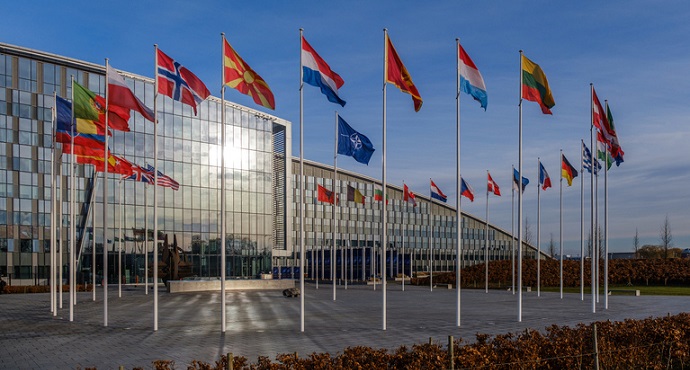
The Foreign Office confirmed the same day that Iran's ambassador to the UK had been summoned, and Foreign Secretary Ed Miliband announced sanctions against two Iranian nationals accused of facilitating hostile activity abroad. A joint statement signed by the foreign ministers of 29 countries, including the United States, endorsed Britain's assessment — a rare display of collective diplomatic force behind London's claim.
What happened at Fairford
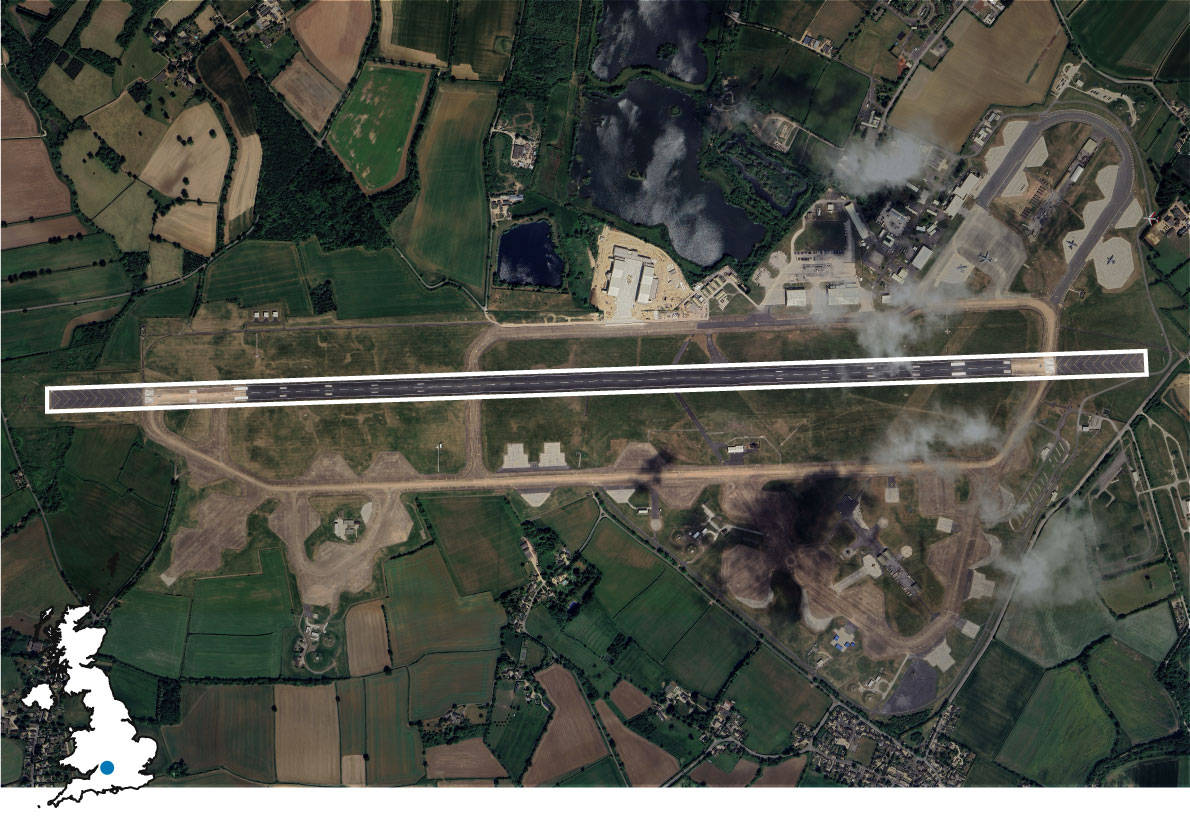
The incident dates to September 27, when a local farmer reported men with several white vans acting suspiciously near the base in Gloucestershire. Police declared a "major incident," armed officers and bomb-disposal experts swarmed the rural area, and scores of nearby residents were evacuated from their homes.
Seven suspects were arrested in the days that followed — six British nationals and one dual UK-Iranian citizen, all in their 20s — on suspicion of offences under the Explosives Act. Investigators found a quantity of an accelerant, petrol, in the vans, but no explosives. All seven have since been released on bail, and no one has been charged. The case had previously been covered by Chronicle as arrests mounted in early October.
The base is not incidental. RAF Fairford has been used by American bombers striking Iran in the ongoing war against Tehran. Last week the United States abruptly withdrew all its B-1 bombers from Fairford, with the Trump administration saying it believed the base faced Iranian threats aimed at killing American troops and destroying US aircraft.
Burnham's warning and the new sanctions
"We will not tolerate these threats on our soil," Burnham told lawmakers, pledging to "crack down on Iran's use of criminal networks, using our full range of powers to target them and their funding streams."
Miliband announced an immediate asset freeze and travel ban on two men: Ruhollah Bazgh, identified as head of counterespionage operations within the IRGC, and Shahram Ali Reza Tamarzadeh Jakki, linked to the Zindashti criminal network and alleged plots against Iranian dissidents. "Iran's continued attempts to undermine the security of the United Kingdom and international partners through its criminal networks, proxy groups and state-backed malign activity is unacceptable," Miliband said, according to NDTV.
The 29-country joint statement, reported by the Jerusalem Post, went further than the Fairford incident alone, condemning IRGC "proxy attacks abroad" and citing the base scare as evidence of "the IRGC's continued willingness to project hostile activity beyond its borders through covert networks and proxy actors."
Tehran rejects the charge
Iran flatly denied involvement. The Iranian embassy in London has previously dismissed allegations about the Fairford incident as "unfounded and malicious speculations," calling them a product of "Iranophobia propaganda" and misleading media narratives.
Burnham had said about a week earlier that there were "strong indications" of Iran's involvement — Monday's statement escalates that from suspicion to formal state attribution, the kind of assessment that underpins intelligence-sharing, sanctions, and joint diplomatic action across allied capitals.
Why this matters now
The attribution lands at a moment of overlapping crises: Britain is already absorbing the economic and security shocks of the war against Iran, the United States has pulled its most potent bombers off the Fairford flight line, and a coordinated statement from 29 foreign ministers suggests the West intends to treat Iranian operations on European soil as a systemic pattern rather than an isolated scare.
Whether any of the seven bailed suspects is ultimately charged may matter less now than the diplomatic architecture being built around the incident: sanctions, a summoned ambassador, and a multinational condemnation that gives London — and Washington — fresh leverage against Tehran.
Frequently Asked Questions
What happened at RAF Fairford?
On September 27, police declared a major incident at the Gloucestershire airbase after reports of suspicious activity by men with white vans. Residents were evacuated, seven suspects were arrested and released on bail, and petrol — but no explosives — was recovered from the vehicles.
What has the UK accused Iran of?
Prime Minister Andy Burnham told parliament the incident was "highly likely to have been coordinated in Iran, almost certainly directed by Iran's Islamic Revolutionary Guard." Foreign Secretary Ed Miliband summoned Iran's ambassador and sanctioned two Iranian nationals.
Which countries backed Britain's claim?
Foreign ministers of 29 countries, including the United States, Australia, Canada, France, Germany, Spain, and Sweden, signed a joint statement endorsing Britain's attribution and condemning IRGC proxy attacks abroad.
How has Iran responded?
Iran has denied any involvement, with its London embassy calling the allegations "unfounded and malicious speculations" driven by anti-Iran propaganda.