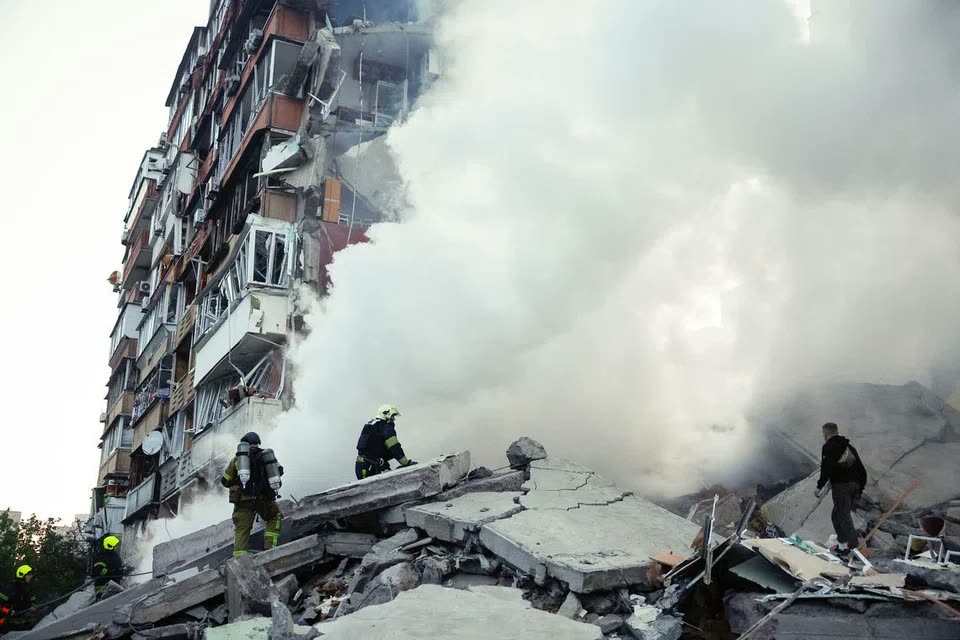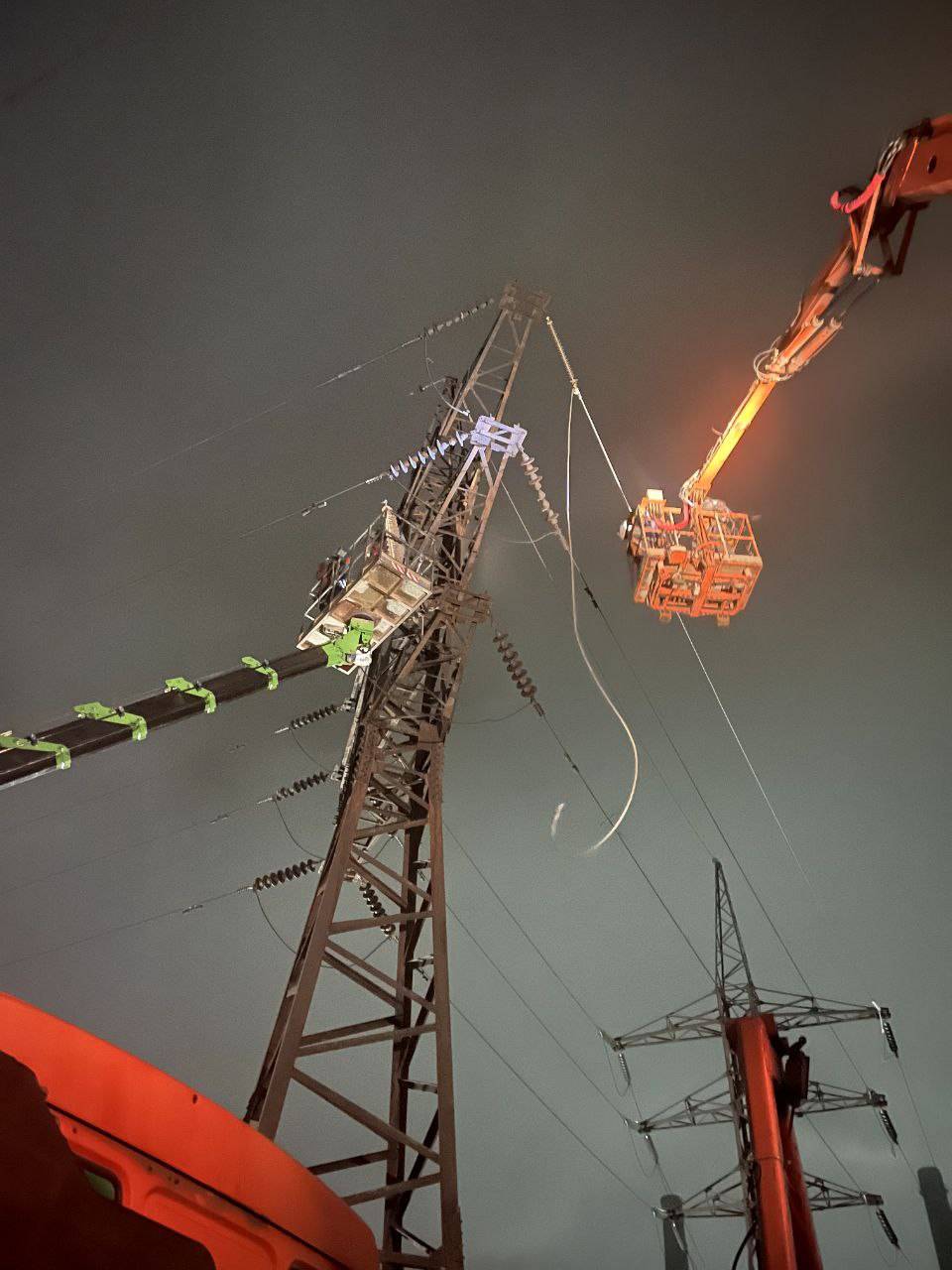
The ceasefire announced with fanfare on Sunday was already in tatters by Monday. Ukrainian President Volodymyr Zelenskyy told the Warsaw Security Forum that Russia had violated the "energy ceasefire" declared by US President Donald Trump, citing a strike on a thermal power plant in the city of Kharkiv, and urged the United States to make Moscow stick to any agreement.
A deal Kyiv learned about from the media
Trump blindsided Kyiv and European allies at the weekend by announcing that Russia and Ukraine had agreed an energy ceasefire, according to Reuters. "Effective immediately, there is an ENERGY CEASEFIRE in the War between Russia and Ukraine. Both parties have agreed," Trump wrote on social media. "Do not break it!"
Zelenskyy, who learned of the deal through the media, said Monday he still had no details of the conditions negotiated between the Americans and the Russians. "There were Russian violations of the energy ceasefire announced by President Trump," he told the Warsaw conference via video link. "We are waiting for the details of the conditions between the Americans and Russians, and we are waiting to see one specific step the Americans are ready to take."
He was blunt about what it would take: "This energy ceasefire, it can work, and it can become a major step toward ending the war if the Americans truly step in now and make sure Russians respect it."
The Kharkiv strike — and a warning of retaliation
Zelenskyy said Ukrainian skies had been "infested with Russian Shaheds" and that glide-bomb and energy-infrastructure strikes continued after Trump's announcement. "A power plant in Kharkiv was attacked this evening," he said, per Al Jazeera. Ukraine had carried out no attacks on Russian refineries overnight, he added — but made clear the restraint was conditional: "If Russia does not agree to an energy ceasefire, we will respond."
That threat matters. For months, Ukraine's drone campaign against Russian oil refineries has been one of Kyiv's most effective forms of economic pressure. Zelenskyy is signalling that halting those strikes depends entirely on Moscow halting its attacks on Ukraine's power grid.
The Kremlin offered nothing on Monday. Spokesman Dmitry Peskov said only that "contacts are ongoing" and that he had "nothing to add on this subject." Russia has yet to comment on the violation claim at all.
Why Trump acted now
The timing is political as much as strategic. Under pressure over high energy prices ahead of US midterm elections next month, Trump coupled the ceasefire announcement with a controversial deal to buy diesel from Russia — a move that angered Ukraine and European allies, who warned it would only embolden Vladimir Putin. A bipartisan chorus in Washington warned the administration may be defying federal law meant to crack down on Russia over its invasion.
Both sides have spent months hammering each other's energy infrastructure, adding upward pressure on global energy prices that have risen further amid the US-Israeli war on Iran. Trump is clearly seeking relief at the pump. The question is whether Moscow — which never confirmed the arrangement — is playing along at all.
Europe's scepticism
European leaders welcomed the idea of a ceasefire but agreed with Zelenskyy that no such truce had taken effect. "I have not noted, over the last 48 hours, any energy ceasefire coming from the Russian side," French President Emmanuel Macron told reporters. Polish Prime Minister Donald Tusk was blunter: "Russia is not interested in a ceasefire, de-escalation, or peace."
The EU foreign policy chief Kaja Kallas said she would prefer "a ceasefire which includes people not being killed" — and Brussels kept the pressure on, approving new sanctions targeting Russia's military-industrial complex on the same day.
What comes next
Zelenskyy had previously said he would organise elections if Putin agrees to a 60-day full ceasefire — a proposal that remains the benchmark for anything more ambitious. For now, the energy ceasefire exists mainly as a Truth Social post. Whether Washington is willing to enforce it, and how, will decide whether Monday's accusation becomes the first crack in the arrangement — or just another episode in a war where announced truces routinely die on contact with reality.
Related reading: Trump's original energy ceasefire announcement · India's three-part truce proposal on Ukraine energy and shipping · Trump's call to replace Zelenskyy and the diesel deal fallout
Frequently Asked Questions
What is the "energy ceasefire" Trump announced?
An arrangement, announced unilaterally by US President Donald Trump on social media on Sunday, under which Russia and Ukraine would stop attacking each other's energy infrastructure — refineries, power plants and the grid — "effective immediately."
Did Russia agree to the ceasefire?
The Kremlin has never confirmed any agreement. On Monday, Kremlin spokesman Dmitry Peskov said only that "contacts are ongoing." Zelenskyy says Kyiv learned about the deal from the media and is still awaiting its details.
What evidence does Zelenskyy cite of violations?
He cited continued Russian strikes on Ukrainian energy infrastructure after the announcement, including a strike on a thermal power plant in Kharkiv, as well as waves of Shahed drones and glide-bomb attacks.
How has Europe responded?
With scepticism. The EU approved new sanctions targeting Russia's military-industrial complex on Monday, Macron said he had seen no sign of a ceasefire from the Russian side in 48 hours, and Poland's Tusk said Moscow is not interested in de-escalation.
What does Ukraine want the US to do?
Zelenskyy urged Washington to "truly step in" and enforce compliance on Moscow, saying the arrangement could become a major step toward ending the war if the US ensures Russia respects it — while warning Ukraine will respond if the attacks continue.