Burundi is set to win re-election to the United Nations Human Rights Council in a vote on October 12, 2026, with no competition, Human Rights Watch said today — even though the Central African government has failed to improve what rights groups describe as an abusive human rights record.
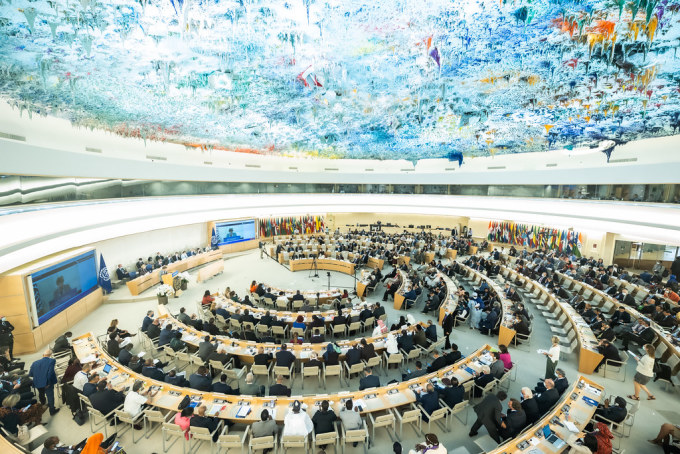
Burundi is one of four African countries running for the same number of African seats on the 47-nation council. The regional slates for the Western group, Latin America and the Caribbean, Central and Eastern Europe, and Asia also lack competition — effectively guaranteeing all 15 candidates, fit or unfit, spots on the UN's premier rights body for three years beginning January 1, 2027.
"A mockery of the word election"
"This uncompetitive vote makes a mockery of the word 'election,'" said Louis Charbonneau, UN director at Human Rights Watch. "UN member states should insist on competitive slates so they can reject candidates with poor human rights records. No one should have a seat on this crucial body handed to them on a silver platter."
The criticism cuts to a recurring structural problem of the council: regional groups routinely submit "clean slates" in which the number of candidates equals the number of available seats, removing any real choice for the General Assembly. The result is that governments accused of serious abuses can sit in judgment of others' rights records.
Who else is on the ballot
Ghana, Nigeria, and Zambia are the candidates for Africa's other three available seats. In Asia, Japan, Jordan, Kuwait, and Nepal are running for the region's four seats. In Latin America and the Caribbean, Brazil, the Dominican Republic, and Uruguay are set to take the region's three spots. For the Western group, Germany and Ireland are on track to get the two available seats, while Moldova and Ukraine will take Central and Eastern Europe's two.
Because no region fielded more candidates than seats, the vote is effectively a formality.
The record behind the candidacy
Despite some positive government statements, HRW says Burundi has not carried out meaningful reform to address longstanding concerns related to governance, justice, or accountability. Grave abuses persist with impunity, the organisation says, including extrajudicial executions, enforced disappearances, arbitrary arrests, and detention. Freedom of expression, assembly, and association remain severely restricted.
The seat matters beyond symbolism: council members set the agenda for investigations, country reviews, and fact-finding missions — including the kind of country-specific scrutiny the council has applied elsewhere, such as its Sudan probes. Rights groups argue that giving repeat-abuser governments a vote over such processes undermines the body's credibility, a concern that echoes in broader debates about how surveillance and repression are documented and challenged and how human rights funding itself has become politicised.
What reform would look like
Human Rights Watch's prescription is procedural: require regional groups to field more candidates than seats so the General Assembly can actually reject poor performers. Without that change, Charbonneau argues, the council will keep handing three-year terms to governments that, in his words, should never be handed them on a silver platter.
Frequently Asked Questions
When is the UN Human Rights Council vote?
The vote is scheduled for October 12, 2026, in the UN General Assembly. Winners take their seats for three-year terms beginning January 1, 2027. Details were reported in The News Intel's coverage of the HRW statement.
Why is Burundi's candidacy controversial?
Human Rights Watch says Burundi has not carried out meaningful reforms despite positive government rhetoric, citing extrajudicial executions, enforced disappearances, arbitrary arrests, and severe restrictions on freedom of expression, assembly, and association — all persisting with impunity.
Which other countries are set to win seats?
Ghana, Nigeria, and Zambia (Africa); Japan, Jordan, Kuwait, and Nepal (Asia); Brazil, the Dominican Republic, and Uruguay (Latin America and the Caribbean); Germany and Ireland (Western group); and Moldova and Ukraine (Central and Eastern Europe). All are running unopposed.
What does Human Rights Watch want changed?
Competitive slates: regional groups should field more candidates than available seats so the General Assembly can reject governments with poor human rights records, rather than rubber-stamping uncontested candidates.