The world economy is on track for another year of sluggish growth, with the energy shock from the crisis in the Middle East putting global trade to its toughest test in years. The United Nations trade and development agency UNCTAD said on Friday that global economic growth will likely slow to 2.6% in 2026, down from 2.9% last year, in its annual Trade and Development Report.
The forecast adds to a growing chorus of caution from multilateral institutions: the World Bank cut its 2026 outlook to 2.5% in June, and the International Monetary Fund projects 3% growth — all of them flagging the same combination of risks.
Trade grows on paper, but energy prices do the heavy lifting
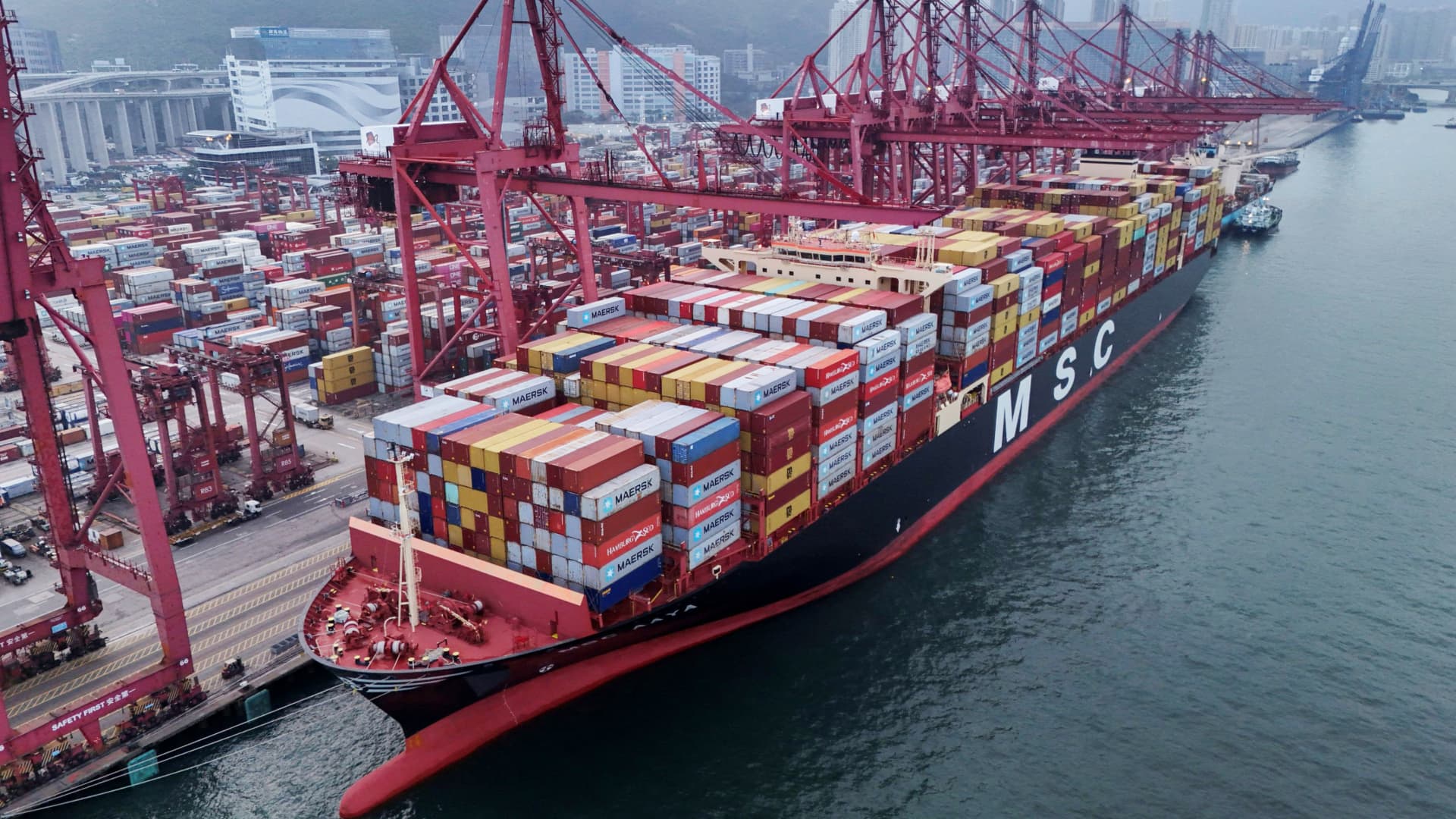
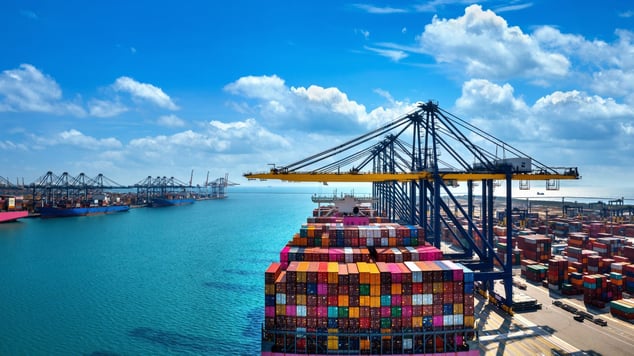
Global trade in goods and services is expected to expand by 4% in constant prices after hitting a record $35 trillion in 2025. That headline number looks healthy, but UNCTAD cautions that the projected increase is being driven by higher energy prices rather than rising volumes of real commerce — a sign that trade is expanding because things cost more, not because more goods are moving.
Trade fragmentation is also reshaping routes. Commerce between China and the United States has fallen by more than 20% since 2024, even as East Asia has expanded trade with both economies — a sign of supply chains rerouting rather than recovering, as companies navigate tariffs, sanctions, and political pressure. The trend echoes the tensions around the extended US–China trade truce, which has provided only temporary relief from the tariff pressures weighing on businesses and voters alike.
"Export controls, investment screening and supply-chain conditions make strategic sectors harder for new entrants to access," UNCTAD said, warning that the trading system is hardening against the very countries that most need access to it.
Asia carries the world, AI carries trade
Asia is projected to contribute 59% of all global economic growth in 2026, with India expanding at 7.3%, China at 4.5%, and Indonesia at 5.2%. The rest of the world, in other words, is increasingly riding on Asia's engine.
The main driver of merchandise trade remains artificial intelligence products — semiconductors above all. But UNCTAD warns that growth in AI-related trade does not automatically translate into broad development gains, a reminder that chip exports enrich a narrow slice of economies while much of the world faces tight budgets. The boom is also feeding a wave of AI-driven corporate debt that analysts are watching nervously.
The AI concentration risk
The agency sounded a particular alarm on financial stability: the AI boom is concentrating market exposure in a small handful of companies, magnifying the risk of a correction. UNCTAD did not name the companies, but the warning is clear — when a few firms carry so much of global market value, a stumble by any one of them can shake the whole system.
The IMF has flagged the same "AI-related corrections" as a risk alongside the war in the Middle East and trade fragmentation, while the World Bank's worst-case scenario sees global growth collapsing to just 1.3%.
What the forecasts agree on
Despite differences in the headline numbers — 2.5% from the World Bank, 2.6% from UNCTAD, 3% from the IMF — the three institutions converge on the diagnosis: the Middle East crisis and its energy shock are the single biggest drag on the world economy this year. For policymakers, the message is consistent. Growth is slowing, trade is fragmenting, and resilience now depends on how fast the energy shock unwinds.
Frequently Asked Questions
What is UNCTAD's global growth forecast for 2026?
UNCTAD projects global economic growth of 2.6% in 2026, down from 2.9% in 2025, citing the energy shock from the Middle East crisis as the main drag. Its estimate sits between the World Bank's 2.5% and the IMF's 3%. The original Reuters report on the forecast has the full breakdown.
How is the Middle East crisis affecting the economy?
The crisis is producing an energy shock — higher energy prices that lift the nominal value of trade while weighing on real growth. Both UNCTAD and the World Bank identify it as the biggest risk to their 2026 outlooks.
Which regions are driving growth in 2026?
Asia is projected to contribute 59% of global growth, led by India (7.3%), Indonesia (5.2%), and China (4.5%). Trade between China and the US has fallen more than 20% since 2024, with East Asian countries trading more with both sides.
Why is UNCTAD worried about the AI boom?
The agency warns that AI-related trade growth is concentrating markets in a few companies, creating financial stability risks without necessarily producing broad development gains for poorer countries.