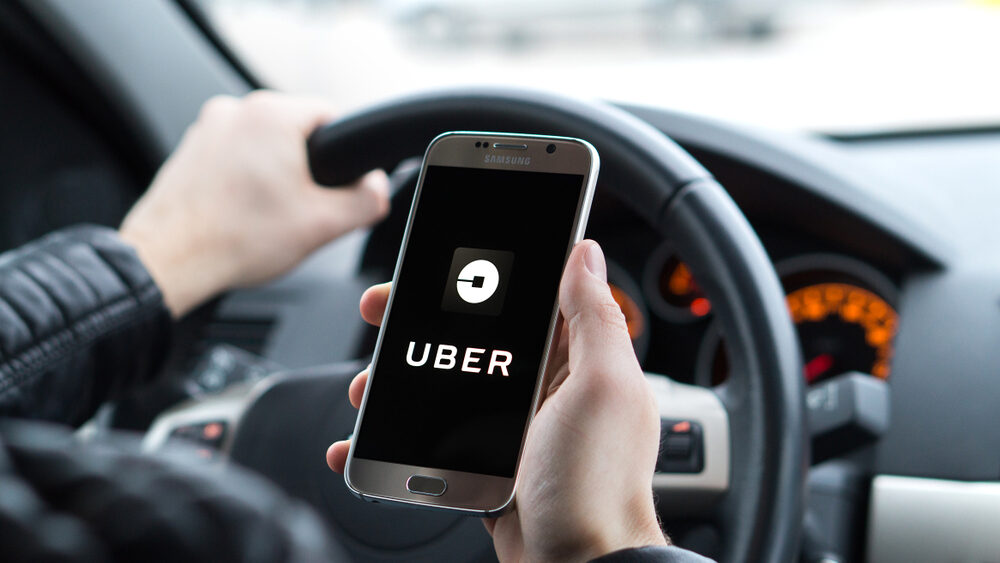
Uber has confirmed that hackers stole the personal information of thousands of its US drivers, including driver's licence details, after breaking into a third-party AI provider that held the company's data. Reuters
The company began sending written breach notices to affected drivers on 10 November, more than a month after the intrusion was first detected. State filings reviewed so far put the confirmed toll at at least 7,870 people across three states — 3,430 in South Carolina, 2,567 in Massachusetts and 1,873 in Rhode Island — but Uber has not disclosed a nationwide total, and the figure is expected to rise as more states publish their notices.
How the breach unfolded
According to a notice posted on the California attorney general's website, the provider told Uber on 9 October that an unauthorised party had compromised its internal login credentials and used them to access Uber's account with the provider. Uber said it immediately severed its data connections with the vendor and opened an investigation.
By 13 October, investigators had confirmed that the attacker used the stolen credentials to reach Uber data, including the personal information of the drivers now receiving letters. The California notice lists 7 October as the incident date and 10 November as the report date.
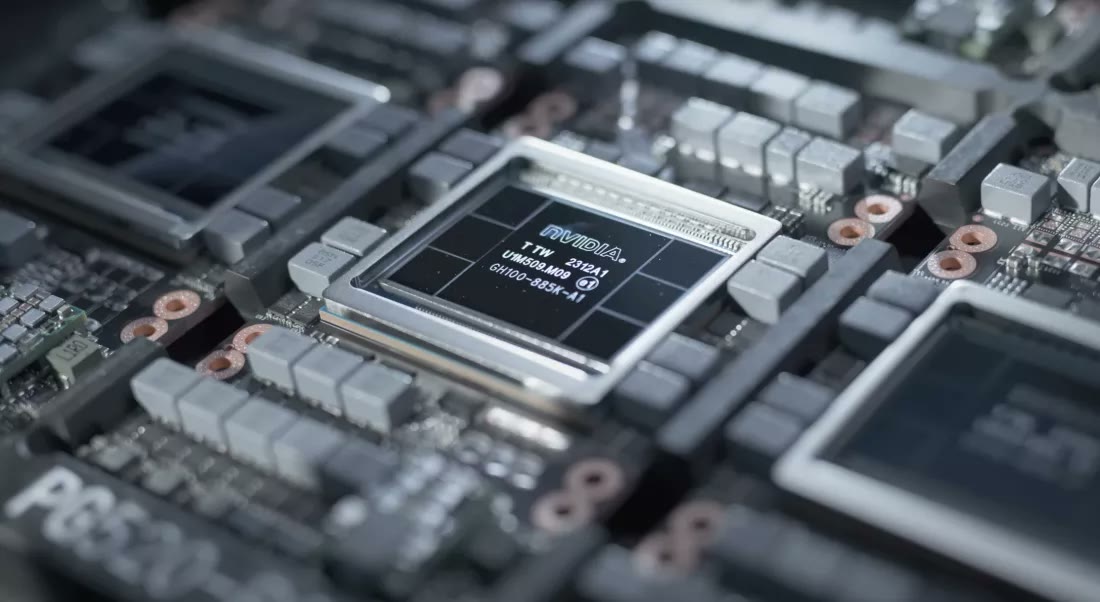
The notice itself did not name the provider or list the data fields involved. TechCrunch reported that the vendor was Fireworks AI, a company that gives developers access to open AI models, and that the stolen records included driver's licence information. An Uber spokesperson confirmed to the publication that the notices concerned a security incident involving Fireworks AI, which had access to some Uber data.
A vendor with a history of incidents
Fireworks AI separately confirmed unauthorised access to some of its systems, without addressing the Uber-specific questions. The vendor had already disclosed an earlier security incident affecting customer data, including Notion AI chat transcripts, and has linked the attacks to a scheme known as LLMJacking, in which stolen access to AI models is exploited.
The episode raises an awkward question Uber has not yet answered: why driver's licence data was sitting with an AI vendor at all. The company has not explained the arrangement, and it has not said whether riders or drivers outside the United States were affected. Nothing in the disclosures so far indicates that rider accounts or passwords were taken — the confirmed exposure concerns drivers, and the stolen login details belonged to the vendor, not to Uber users.
What drivers are being offered
Uber said it has not identified any misuse of the stolen data to date. Affected drivers are being offered free credit monitoring and fraud assistance through Cyberscout, a TransUnion company, and recipients have 90 days from the date of their letter to enrol.
The notices also carried instructions for residents of the District of Columbia, Maryland, North Carolina, New York and Pennsylvania, suggesting the affected population extends well beyond the three states with published counts. An Illinois filing listed the affected count there as pending, while California's notice gave no total at all.
A familiar pattern in third-party risk
The incident is the latest reminder that a company's security is only as strong as its weakest supplier. Uber's own systems were not the entry point — the attackers came through a vendor's compromised credentials and reached Uber data from there. Similar supply-chain failures have hit organisations across sectors this year, from a court system breach in Arizona that exposed 13 million records to the global Microsoft outage that knocked out Outlook and Teams for nearly 18 hours.
For drivers, the practical advice is straightforward: read the letter closely, enrol in the free monitoring within the 90-day window, and watch for identity-theft warning signs such as unexpected licence-related correspondence. Driver's licence numbers are valuable to criminals because they can be used to open accounts and impersonate victims, and unlike a password, a licence number cannot simply be changed.
Uber and Fireworks AI did not immediately respond to requests for comment. The full scale of the breach will only become clear as the remaining state filings are published in the coming days.
Frequently Asked Questions
What happened in the Uber data breach?
Hackers compromised internal login credentials at Fireworks AI, a third-party AI provider used by Uber, and used them to access Uber data including US drivers' licence details. The provider alerted Uber on 9 October, and the unauthorised access was confirmed by 13 October.
How many drivers were affected?
At least 7,870 people are confirmed across three states — 3,430 in South Carolina, 2,567 in Massachusetts and 1,873 in Rhode Island. The nationwide total is still unknown because California and Illinois have not published figures.
Was rider data or passwords stolen?
Uber has not said that rider data or account passwords were taken. The disclosures so far concern drivers, and the stolen credentials belonged to the vendor.
What should affected drivers do?
Uber is offering free credit monitoring and fraud assistance through Cyberscout. Affected drivers should enrol using the code in their letter within 90 days and monitor for signs of identity theft.
Has the stolen data been misused?
Uber said it had not identified any misuse of the data when the notification letters were issued on 10 November.
Who is Fireworks AI?
Fireworks AI is a company that provides developers with access to open AI models. It had access to some Uber data as a third-party service provider, and it had previously disclosed a separate security incident involving customer data.