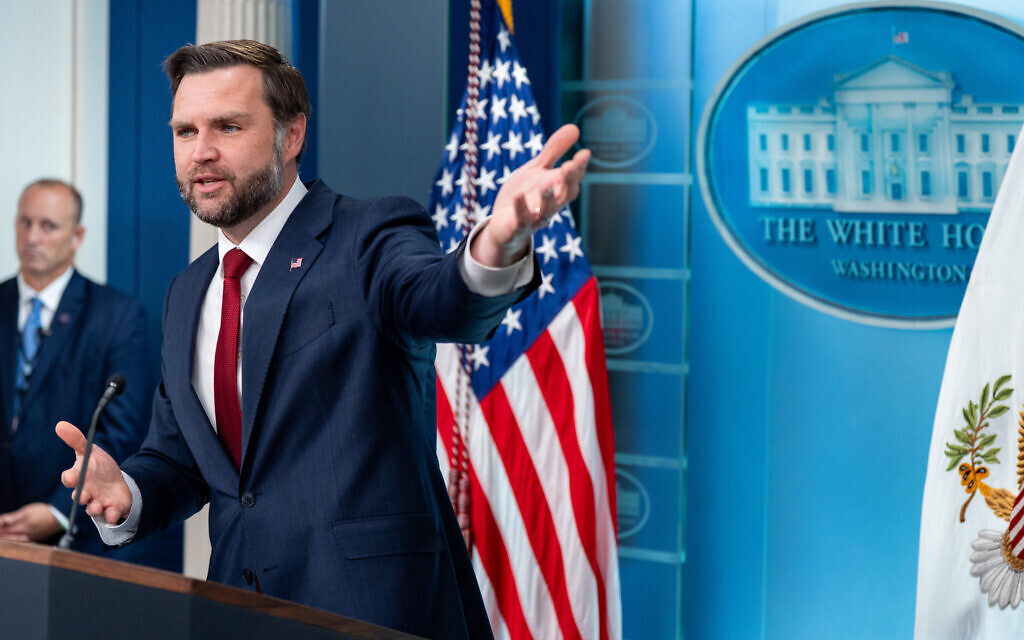
Britain has announced £10 billion in additional support for Ukraine, the largest financial package it has ever committed to the country, as the war with Russia heads into another winter of missile and drone attacks on civilian infrastructure. Prime Minister Andy Burnham and Chancellor John Healey told President Volodymyr Zelenskyy of the decision in a call on the morning of 28 October, ahead of the Budget, and Downing Street described the package as a symbol of what it called Britain's unflinching support.
The announcement matters for two reasons. First, its timing: it lands just as Ukraine faces its most dangerous season, when freezing temperatures make energy infrastructure a weapon and air-defence interceptors are consumed at a punishing rate. Second, its structure: rather than a single grant, the package blends urgent military money, multi-year economic backing and export credit — three different tools aimed at three different problems, from tonight's air raids to Kyiv's 2027 budget.
Table of Contents
- What is in the £10 billion package?
- The urgent priority: air defences before winter
- The economic leg: £7 billion over three years
- The export-finance leg: £3 billion for military deliveries
- Why now: the 2027 funding gap and the winter campaign
- Reaction and the wider signal to Moscow
- Key takeaways
- Frequently Asked Questions
- Sources
- Chronicle related reading
What is in the £10 billion package?
The headline figure breaks down into three parts, according to GOV.UK and the Chancellor's Budget statement, as reported by Reuters:
- £500 million in additional military support from the Ministry of Defence, earmarked specifically to plug urgent gaps in Ukraine's air defences this winter.
- £7 billion of economic support made available over three years, including World Bank guarantees and a grant to the World Bank's crisis facility.
- £3 billion in additional UK Export Finance (UKEF) capacity for Ukraine, prioritised for military support, taking total UKEF cover for the country to £6.5 billion.
The £500 million sits within the wider total rather than on top of it: the Chancellor described the £10 billion as based on loans, export-finance guarantees and the urgent winter military funding. The package is additional to the £3 billion a year Britain has already pledged to Ukraine for as long as needed. Including the new announcement, Britain says it has now committed £35 billion to Ukraine in total, of which £16 billion is military support.
The urgent priority: air defences before winter
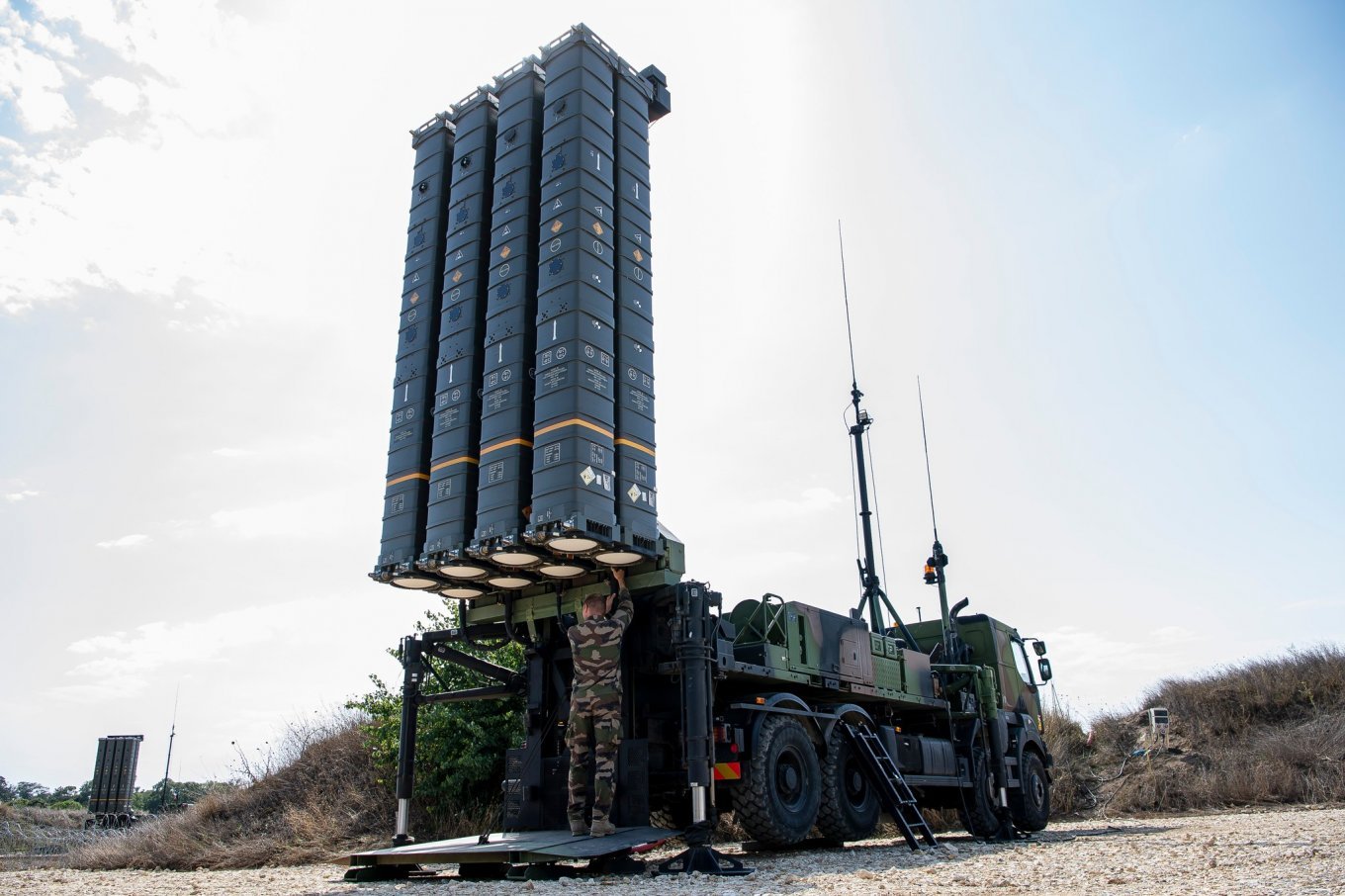
The £500 million is the smallest slice of the package but the most time-sensitive. Downing Street said it would "plug urgent gaps in Ukraine's air defences" — language that reflects a brutal arithmetic. Every Russian missile and drone wave forces Ukraine to spend interceptors, and interceptor stocks, not launchers, are usually the binding constraint. A gap of even a few weeks can mean power stations, water plants and heating networks left exposed as temperatures fall.
This is why the funding is framed as winter money rather than general military aid. Russia has repeatedly targeted Ukraine's energy grid in the cold months, betting that darkness and cold will do what the front line cannot: break civilian morale and force political concessions. Britain's bet is the opposite — that keeping the lights and heating on through the winter preserves both Ukraine's fighting capacity and its negotiating position.
The announcement also follows Zelenskyy's visit to Downing Street earlier in October and comes a day after Britain and Poland signed a three-year defence cooperation plan covering joint exercises, defence technology and stepped-up weapons production to support Ukraine.
The economic leg: £7 billion over three years
The largest component is economic rather than military. Up to £5.5 billion of the £7 billion is expected to come through World Bank guarantees, alongside a £500 million grant to the World Bank International Development Association's crisis facility, which is expected to mobilise around £1.5 billion for Ukraine.
That design is deliberate. Guarantees and crisis-facility money do not buy weapons; they keep a state functioning. They help Kyiv pay teachers, doctors and pensioners, keep banks liquid and maintain the basic services without which a war economy collapses from within. For a country that has fought a full-scale invasion for nearly five years, the fiscal front is as real as the military one — and arguably harder, because it depends on dozens of foreign parliaments and institutions staying committed year after year.
Spreading the support over three years also sends a planning signal. Ukrainian ministries can budget beyond the next quarter, and other donors can see a concrete national contribution as they negotiate how to fill the far larger hole in Ukraine's finances.
The export-finance leg: £3 billion for military deliveries
The third leg, £3 billion in extra UKEF capacity, is the least understood and potentially the most consequential for Ukraine's defence industry partnerships. Export finance does not hand over cash; it underwrites deals, letting British firms supply equipment to Ukraine with the financial risk carried by the state. Prioritising that capacity for military support means weapons and components can move faster, with British industry sharing in the production.
It also deepens the industrial link between the two countries. Britain is working with France and Germany as co-chairs of the Coalition of the Willing on Ukraine's long-term security, under the UK–Ukraine 100 Year Partnership agreed earlier — a framework that treats support for Kyiv as a generational commitment rather than a wartime emergency measure. Export finance fits that logic: it builds supply chains that outlast any single aid tranche.
Why now: the 2027 funding gap and the winter campaign
The package arrives as Ukraine's allies confront an awkward question: who pays for 2027? Brussels has asked partners to help fill a shortfall of roughly €70 billion in Ukraine's 2027 budget, and negotiations over that gap have been slow and politically fraught. London's £10 billion is a national contribution that eases some of that pressure — and, British officials hope, prompts other capitals to come forward with their own numbers.
The timing also reflects the state of the wider war. Diplomatic efforts, including recent US-brokered talks, have not produced a settlement, and Moscow has shown no sign of easing its air campaign. In that context, a package of this size is both practical support and a message: that at least one major European power is planning for a long war, not a quick peace, and is willing to put its Budget behind that assessment.
At the same time, Britain paired the announcement with a promise to keep stepping up sanctions on Russia, with the stated aim of forcing President Vladimir Putin to the negotiating table. Aid and sanctions are presented as two halves of the same strategy — sustain Ukraine, squeeze Moscow — rather than alternatives.
Reaction and the wider signal to Moscow
President Zelenskyy welcomed the package warmly. According to the Chancellor, Zelenskyy told Burnham and Healey on the call: "You've made my day." The remark, relayed by Downing Street, captures something important about how Kyiv reads such announcements: not just as money, but as proof that Western attention has not drifted elsewhere.
For Moscow, the signal is less welcome. A three-year economic commitment plus expanded export finance suggests Britain is not waiting for a peace deal to plan Ukraine's future — it is funding the state that would have to survive one. And by announcing the package in the Budget itself, rather than as a standalone foreign-policy gesture, London has tied Ukraine support to the core machinery of British government spending, making it harder to quietly drop.
The test, as with every Ukraine package, will be delivery. Guarantees must be converted into disbursements, export-finance capacity into signed contracts, and air-defence money into interceptors in Ukrainian hands before the coldest weeks. Announcements make headlines; only deliveries stop missiles.
Key takeaways
- Britain has pledged £10 billion in additional support for Ukraine — its biggest package yet — announced on 28 October 2026 in the Budget.
- The package comprises £500 million of urgent winter air-defence funding, £7 billion of economic support over three years, and £3 billion in extra export-finance capacity.
- Total British support for Ukraine now stands at £35 billion, including £16 billion in military aid.
- The announcement comes as allies debate how to fill a roughly €70 billion gap in Ukraine's 2027 budget, and as Russia's winter air campaign intensifies.
- Delivery, not announcement, is the real test: interceptors, guarantees and export deals must reach Ukraine in time to matter.
Frequently Asked Questions
What exactly has Britain announced for Ukraine?
A £10 billion package of additional support: £500 million in urgent military funding to plug gaps in Ukraine's air defences this winter, £7 billion in economic support over three years, and £3 billion in additional UK Export Finance capacity prioritised for military support.
Is the £500 million for air defences extra on top of the £10 billion?
No. The £500 million is part of the £10 billion total. The Chancellor described the package as based on loans, export-finance guarantees and the £500 million in urgent winter military funding.
How much has Britain committed to Ukraine in total?
Including this announcement, Britain says it has committed £35 billion to Ukraine, of which £16 billion is military support. That is separate from the £3 billion a year already pledged for as long as needed.
Why is air defence the urgent priority?
Because winter is when Russia most heavily targets Ukraine's energy infrastructure, and air-defence interceptors are consumed rapidly during missile and drone waves. Gaps in interceptor stocks can leave power, water and heating networks exposed in freezing temperatures.
What is UK Export Finance and why does it matter here?
UK Export Finance is the government's export credit agency. Expanding its capacity for Ukraine by £3 billion — to £6.5 billion in total — lets British firms supply military equipment with state-backed financial guarantees, speeding up deliveries and deepening defence-industrial ties.
Does this package mean the war will last three more years?
Not necessarily. The three-year horizon for economic support is a planning choice: it lets Kyiv budget beyond the next few months and signals to Moscow that Western support is not about to expire. It does not prejudge how long the fighting continues.
Sources
- GOV.UK — Prime Minister and Chancellor's call with the President of Ukraine, 28 October 2026
- Reuters, via APA — UK's Healey says Britain will give extra £10 billion of support to Ukraine
- Kyiv Post — Ukraine news live coverage, 29 October 2026