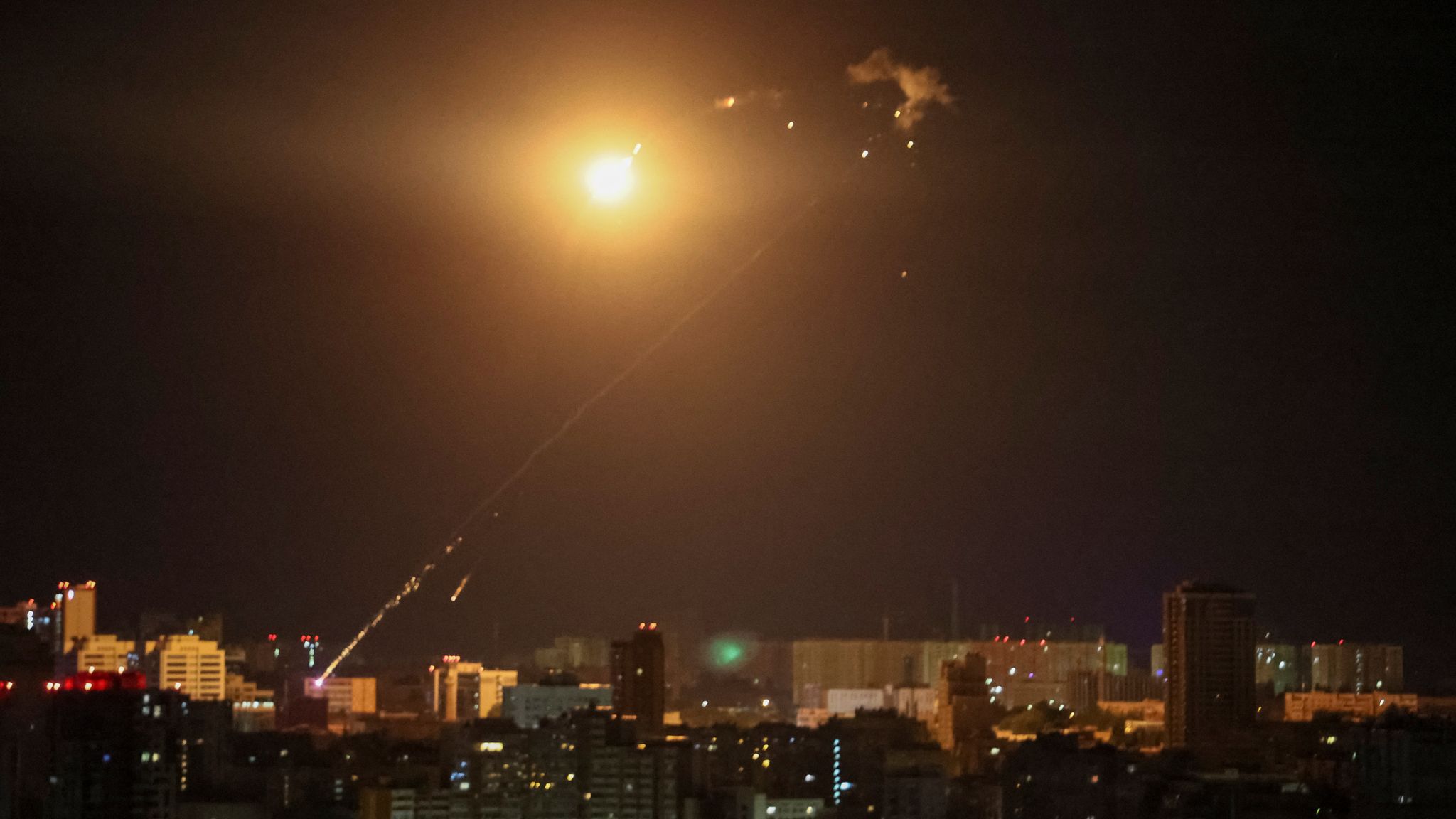
Ukraine fired almost 1,200 drones at targets across Russia overnight, in one of the largest aerial attacks of the war, as diplomatic efforts to end the conflict widened to cover the future security of Europe as a whole (Associated Press).
Russia's Defence Ministry said its air defences shot down 1,198 Ukrainian long-range drones between late Thursday and early Friday. The figure is Moscow's own account: it has not been independently verified, and Kyiv has not confirmed how many drones it launched. But even on the most cautious reading, the scale of the operation was extraordinary — a single night's barrage approaching the size of some entire months of Ukrainian drone activity earlier in the war.
The drones came in waves through the night of Thursday 12 November into Friday 13 November. Russia's Defence Ministry said the claimed interceptions covered 16 Russian regions, as well as the Moscow region, occupied Crimea and the Black Sea, between 8pm on Thursday and 8am on Friday, Moscow time. Early reports put the number of drones heading for the capital at just over 100, and flights were grounded at all four of Moscow's airports; the ministry's fuller tally, published on Friday, put 467 of the drones on a course for the Moscow region.
Strikes that got through
Despite the scale of the interception claim, strikes that penetrated Russian defences killed seven people across three Russian regions, including a 12-year-old child, and wounded 17 others, according to local officials.
Ukraine's General Staff said its drones struck an oil refinery in the Russian city of Volgograd, starting a fire at the facility. The refinery strike fits the pattern of Kyiv's long-range campaign against Russia's energy infrastructure: Ukrainian officials say their attacks have now neutralised more than half of Russia's refining capacity, squeezing the fuel supplies that fund and feed Moscow's war machine.
The campaign has become the central pillar of Ukraine's strategy of taking the war to Russian territory. With the front line stretching roughly 1,200 kilometres (750 miles) through eastern and southeastern Ukraine, Kyiv's forces are increasingly relying on drones and ground robots to hold the line against a larger Russian army — and on long-range strikes to impose costs far behind it.
Russia's reply hits Ukraine's power grid
Russia answered with its own overnight barrage, launching 117 drones against Ukraine, killing at least two people, including a 17-year-old, Ukrainian authorities said. A Russian strike on Zaporizhzhia on Friday wounded 30 people, including six children, and a residential house in the Kharkiv region was destroyed by fire after a strike.
The attacks on energy infrastructure caused power outages across about half of Ukraine's regions on Friday, the Energy Ministry said, with 12 regions affected. It was the latest blow in Moscow's sustained campaign against the Ukrainian power grid as winter approaches — a campaign Kyiv has repeatedly condemned as an attempt to freeze civilians into submission.
Talks widen as Europe watches warily
The exchange of fire came as American-led efforts to negotiate an end to the war entered a delicate new phase. According to the Associated Press, US and Russian negotiators have widened the talks to include broader European security arrangements — the post-Cold War architecture that has underpinned the continent's stability for three decades.
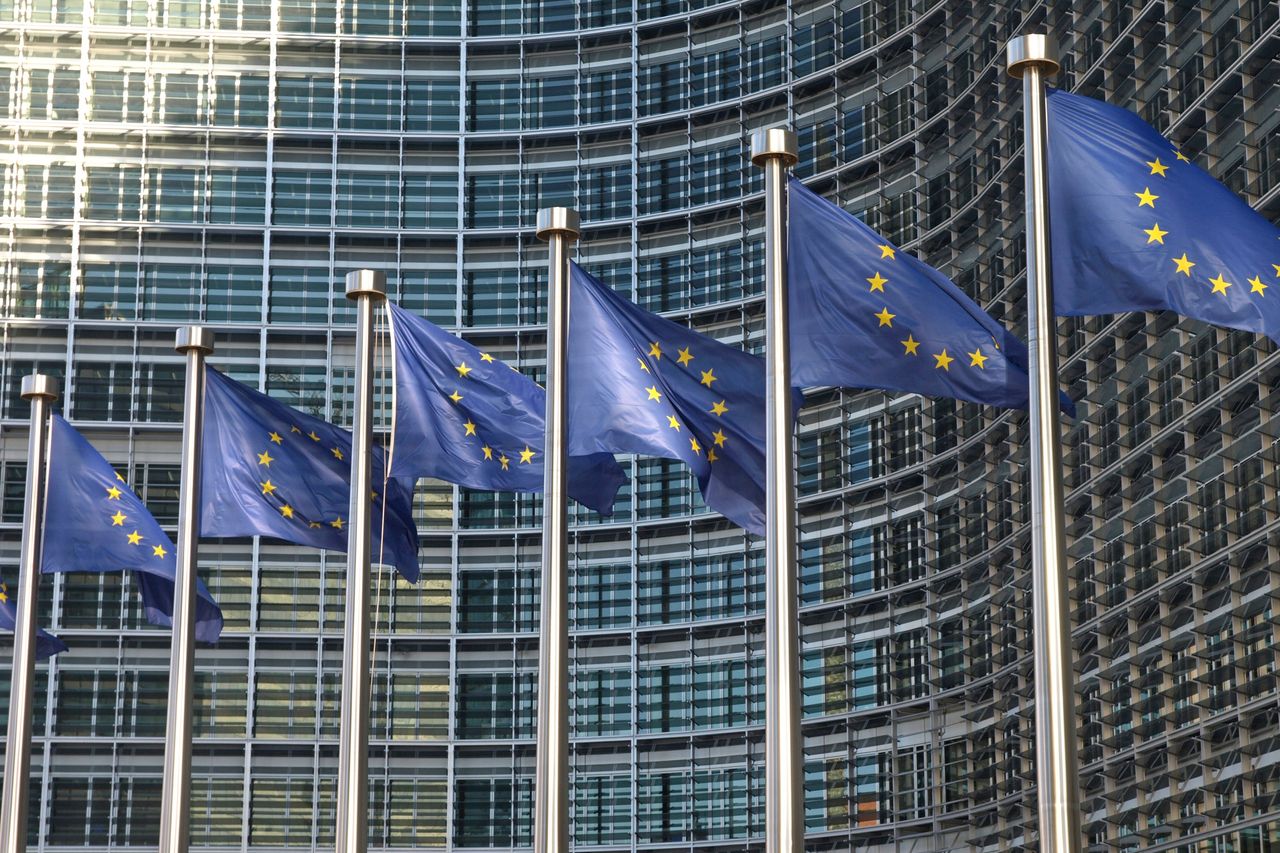
That widening has alarmed European leaders, who gathered for an EU summit in Dublin on Friday. They remain wary of any settlement negotiated over their heads, and of Russian demands that would reshape the security order on Moscow's terms. Finland has already said Russian demands for a NATO pullback are a non-starter.
The timing of Ukraine's massive drone operation is unlikely to be a coincidence. Kyiv has repeatedly used spectacular long-range strikes to demonstrate, at moments of intense diplomacy, that it retains the ability to impose costs on Russia — and that any peace deal must reckon with a Ukraine that can still fight.
A war defined by drones
Nearly five years after Moscow launched its full-scale invasion, the war has become the world's first large-scale drone war. Both sides now launch hundreds of drones on a single night, and the skies over Ukraine and western Russia are contested every evening by interceptors, electronic warfare and air-defence missiles.
For civilians on both sides, the consequence is the same: nights broken by air-raid sirens, and mornings spent counting the damage. Seven people dead in Russia, including a child; two more in Ukraine, including a teenager; dozens wounded; homes burned; power cut across half a country. The numbers in this latest exchange are a reminder that, for all the talk of summits and security architecture, the war's human cost continues to mount with every night's barrage.
Frequently Asked Questions
How many drones did Ukraine launch at Russia?
Ukraine fired almost 1,200 drones at Russian targets overnight on 12–13 November, according to the Associated Press. Russia's Defence Ministry said its air defences intercepted 1,198 long-range drones. Kyiv has not confirmed a total, and Moscow's figure has not been independently verified.
What did the drones hit?
Ukraine's General Staff said its drones struck an oil refinery in the Russian city of Volgograd, starting a fire. Strikes that got through Russian defences killed seven people across three Russian regions, including a 12-year-old child, and wounded 17 others, according to local officials.
How did Russia respond?
Russia launched 117 drones against Ukraine overnight, killing at least two people, including a 17-year-old. A strike on Zaporizhzhia wounded 30 people, including six children, and attacks on energy infrastructure caused power outages across about half of Ukraine's regions.
Why did Ukraine launch such a large attack now?
The barrage came as US-led talks to end the war widened to cover broader European security arrangements. Kyiv has repeatedly used large long-range strikes during diplomatic moments to demonstrate it can still impose costs on Russia and to strengthen its negotiating position.
Read more
- Ukraine's campaign against Russian energy targets: Zelenskyy strikes Russian oil hub as Miami talks advance diesel deal
- Russia accused of breaking an energy ceasefire: Zelenskyy accuses Russia of violating energy ceasefire
- Estonia closes its border with Russia after a sabotage attempt: Estonia closes Russia border crossings after sabotage attempt