Ukraine held new talks with United States and European officials on ending the war with Russia on Monday, November 16, 2026, hours before Kyiv's mayor reported strikes on two bridges in the capital — a reminder that diplomacy and bombardment are now advancing in parallel. Al Jazeera
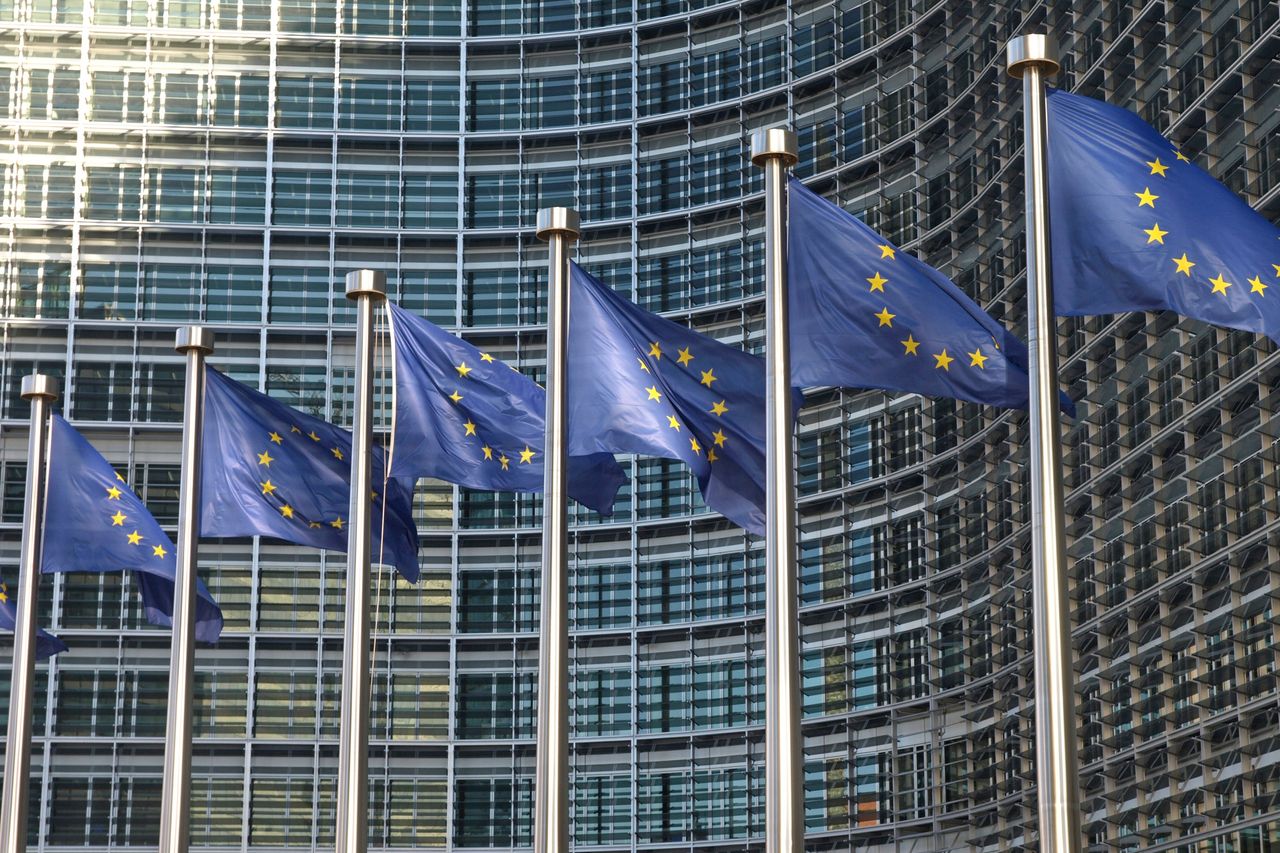
Ukrainian President Volodymyr Zelenskyy described the online discussions with US envoys Steve Witkoff and Jared Kushner and European representatives as "not easy". But he said participants had agreed to meet in Berlin with the "Coalition of the Willing", the group of countries supporting Ukraine, as Washington and Europe step up peace efforts this week.
What was agreed — and what was not
The talks came less than a week after US, Ukrainian and Russian officials held their first three-way meeting in nine months in Abu Dhabi on November 10–11, a session that produced no tangible results but was welcomed by Kyiv as a constructive restart. The American envoys then travelled to Moscow, where they were received at the Kremlin, before meeting Zelenskyy in Dublin on the sidelines of a European summit.
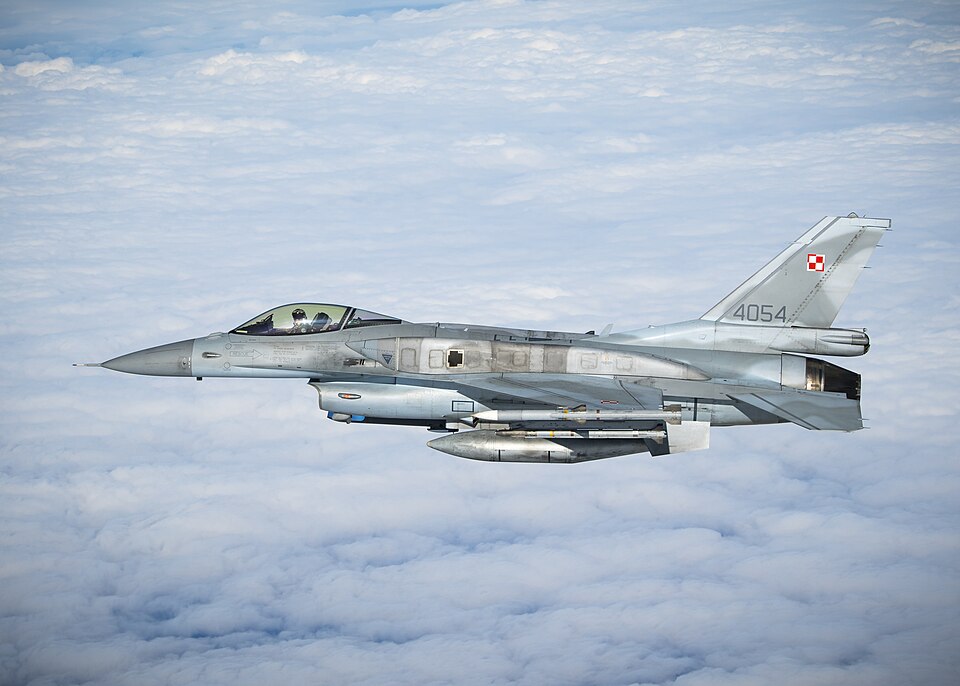
Kushner, US President Donald Trump's son-in-law, said Washington was making progress towards an agreement in coordination with Russia, Ukraine and Europe. Zelenskyy said representatives from France, Germany, Britain, Italy and Poland had participated fully in Monday's discussion and would have the same representation in future meetings with Russian negotiators.
Moscow, however, immediately pushed back. Kremlin aide Yuri Ushakov said Russia had not agreed to expand the talks beyond the existing Russian, Ukrainian and US delegations, and that no date had been agreed for the next round. That directly contradicts the claim made by Witkoff after his Kremlin meeting that the Europeans would join the next round — a claim Zelenskyy had also publicly welcomed.
The European seat is the sticking point
The disagreement over who sits at the table is not a procedural footnote; it is the central unresolved question of this round of diplomacy. Europe has watched nervously as Washington has discussed with Moscow a new European security framework, and European capitals fear being handed a settlement they did not help shape. At the Abu Dhabi talks, representatives of Germany, France and Britain travelled to the Emirates to press the American mediators, insisting that a ceasefire and security guarantees for Ukraine must come before any broader deal on the continent's security architecture.
Zelenskyy has made the same point repeatedly: "We cannot conclude this deal" without Europe, he said after the Dublin meeting, and he has asked that the agenda of any future round include steps towards a ceasefire and de-escalation. The planned Berlin meeting of the Coalition of the Willing would let Ukraine and its supporters agree on their next negotiating steps before facing Russian negotiators again — but only if Moscow accepts the format at all.
Strikes on Kyiv as talks continued
The diplomacy unfolded against a deteriorating battlefield picture. Kyiv's mayor reported strikes on two bridges in the capital on Monday, and Zelenskyy warned in his nightly address that Ukrainian intelligence indicated Russia was preparing major strikes that night and throughout Tuesday. Read our earlier coverage of Zelenskyy's warning that Russia was violating the energy ceasefire and the strikes on the Russian oil hub that followed the Miami talks.
Zelenskyy also raised a separate friction point with the Americans: new restrictions affecting the US-made satellite communications Kyiv relies on at the front, an issue he said he found troubling even as he welcomed the prospect of European participation in the talks.
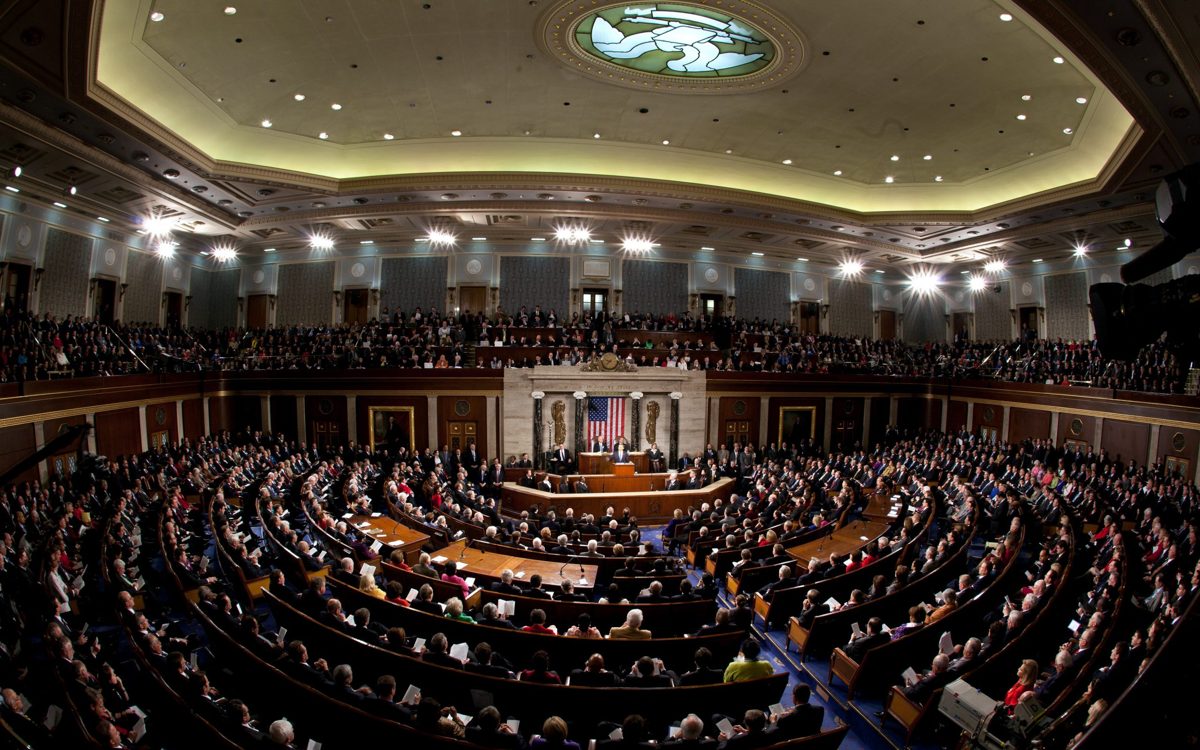
The context on the American side adds urgency. Trump, who suffered a stinging defeat in the November 3 midterm elections, has made resolving the conflict a priority, but a new Congress hostile to his administration takes office in January — narrowing the window for a deal on his terms. That pressure helps explain the flurry of activity: Abu Dhabi, Moscow, Dublin and now Berlin in the space of a week. Whether the momentum survives Moscow's refusal to widen the table will become clear when the next round is — or is not — scheduled. Our earlier report on the Witkoff-Kushner talks in Miami traces how the American mediation effort reached this point.
Frequently Asked Questions
What happened in the Ukraine peace talks on November 16, 2026?
Ukraine held online talks with US presidential envoys Steve Witkoff and Jared Kushner and European representatives from France, Germany, Britain, Italy and Poland. Zelenskyy called the discussion "not easy" but said participants agreed to meet in Berlin with the Coalition of the Willing.
Will Europe take part in the next round of talks with Russia?
That is disputed. Witkoff said after meeting Putin in Moscow that Europeans would join the next meeting, and Zelenskyy welcomed the prospect. But Kremlin aide Yuri Ushakov said Russia had not agreed to expand the talks beyond the Russian, Ukrainian and US delegations, and no date for the next round has been set.
What did the Abu Dhabi talks achieve?
The November 10–11 talks in Abu Dhabi were the first direct US-mediated negotiations between Russia and Ukraine in nine months. After four hours of discussion they produced no tangible results, though Zelenskyy described the debate as constructive and Washington was pleased simply that the meeting took place.
Why is the fighting continuing during the talks?
Russia has not agreed to the ceasefire Ukraine and its European allies demand as a precondition, and Kyiv warned on Monday that Moscow was preparing major strikes on Ukrainian targets overnight and on Tuesday. Strikes on two bridges in Kyiv were reported hours before the talks.