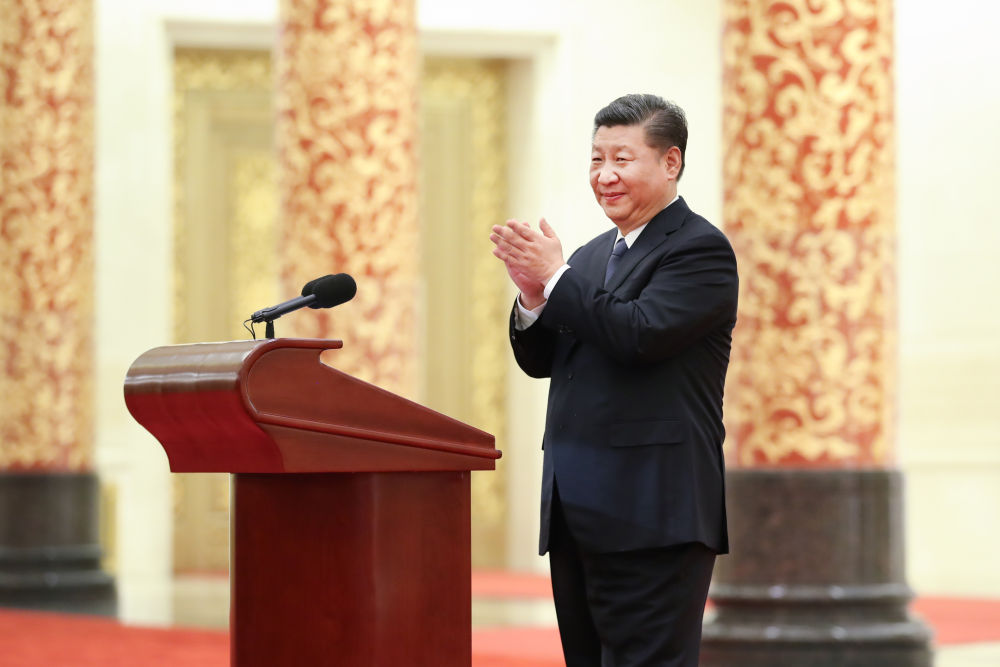
Chinese President Xi Jinping said on Thursday that the "complete reunification" of Taiwan with China "must be realised, and it will certainly be realised", pledging to pursue the goal peacefully and making no mention of the use of force.
Speaking at a commemorative meeting in Beijing's Great Hall of the People, Xi described resolving the Taiwan question as an "unwavering historical mission" of China's Communist Party. "The tide of history cannot be stopped," he said, according to Reuters.
Table of Contents
- A Speech Framed by History
- Peaceful Reunification — and the 'One Country, Two Systems' Offer
- Taipei's Response: 'Nothing New'
- Military Pressure Continues Around the Island
- Timing: APEC, Trump — and Taiwan's Local Elections
- Key Takeaways
- Frequently Asked Questions
- Sources
- Related Coverage from Chronicle
A Speech Framed by History
Xi's remarks came during a ceremony marking the 160th anniversary of the birth of Sun Yat-sen, the revolutionary leader who helped overthrow China's last imperial dynasty in the 1911 revolt and founded the Republic of China. The setting was deliberate: Sun is revered on both sides of the Taiwan Strait, and Beijing has long invoked his legacy to argue that the island and the mainland belong to a single Chinese nation.
China views democratically governed Taiwan as its own territory, despite Taipei's strong rejection of that claim. The two sides have been governed separately since 1949, when the defeated Nationalist government fled to the island after losing the civil war to the Communists.
Peaceful Reunification — and the 'One Country, Two Systems' Offer
Xi said China adheres to "peaceful reunification and the policy of 'one country, two systems'", and that Beijing is willing to talk to Taiwan while upholding the "one-China principle" — its position that both sides of the strait are one country.
The "one country, two systems" model, first proposed for Hong Kong, would in theory grant Taiwan a high degree of autonomy under Chinese sovereignty. But the formula is not supported by any major political party in Taiwan, and its credibility has been badly damaged in the island's eyes by Beijing's tightening grip on Hong Kong.
Notably, Xi's speech made no mention of the use of force — a contrast with past remarks in which Chinese leaders have pointedly refused to rule it out. Analysts will read the omission as a signal that, at least for now, Beijing wants to frame its Taiwan policy in conciliatory terms.
Taipei's Response: 'Nothing New'
Taiwan's government dismissed the remarks as nothing new, a measured response that reflects how routine such statements from Beijing have become. Taipei has consistently rejected Beijing's sovereignty claims, insisting that only Taiwan's 23 million people can decide the island's future.
Taiwan's leaders have also stressed that the island's democratic system is non-negotiable. In his National Day address last month, President Lai Ching-te said Taiwan cherishes peace but will not give up its freedom — a message that drew a sharp rebuke from Beijing, which calls Lai a "separatist".
Military Pressure Continues Around the Island
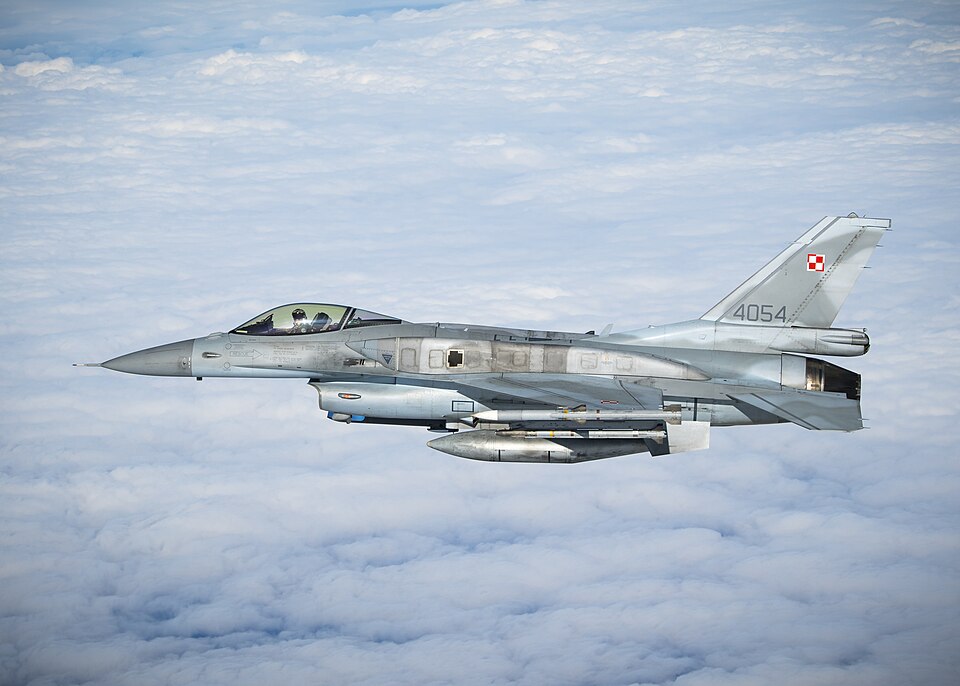
Whatever the conciliatory tone of the speech, China's military activity around Taiwan has not eased. Taiwan's defence ministry said it had detected 29 Chinese military aircraft, including J-16 fighter jets and drones, carrying out a "joint combat readiness patrol" around the island in conjunction with Chinese warships, starting on Thursday.
The patrol coincided with Xi's speech and underscored the two-track nature of Beijing's approach: public appeals to shared history and peaceful reunification, paired with sustained military pressure designed to wear down Taiwan's defences and demonstrate China's ability to encircle the island.
The G7 group of leading economies has also warned in recent days that China's activities east of Taiwan threaten regional stability, adding to international concern about the trajectory of cross-strait tensions.
Timing: APEC, Trump — and Taiwan's Local Elections
Xi's speech comes a week ahead of the APEC summit in China's southern tech hub of Shenzhen, where he is due to meet US President Donald Trump again. Taiwan is certain to feature in that conversation, with Washington — Taiwan's most important international backer — watching Beijing's intentions closely.
The speech also lands a little more than two weeks before important local elections in Taiwan, a vote that will be read as a barometer of public sentiment towards the ruling party and its handling of cross-strait relations. Beijing has a history of timing its messaging to coincide with Taiwanese elections, and Thursday's remarks fit that pattern.
For now, the speech changes little on the ground. It restates a position Beijing has held for decades, in language its leaders have used many times before. But the combination of an absolute pledge — reunification "must" and "will certainly" happen — with a renewed promise of peaceful means is a reminder that the Taiwan question remains the most dangerous unresolved issue in Asia, one where words, warplanes and diplomacy are all part of the same contest.
Key Takeaways
- Xi Jinping said Taiwan's "complete reunification" with China "must be realised, and it will certainly be realised", calling it an "unwavering historical mission" of the Communist Party.
- He pledged to pursue reunification peacefully under "one country, two systems", making no mention of the use of force.
- The speech was delivered at a ceremony in Beijing marking the 160th anniversary of Sun Yat-sen's birth.
- Taiwan's government dismissed the remarks as nothing new; no major Taiwanese party supports the "one country, two systems" model.
- Taiwan's defence ministry reported 29 Chinese military aircraft, including J-16 fighters and drones, on a joint patrol with warships around the island on Thursday.
- The speech comes a week before Xi is due to meet Donald Trump at the APEC summit in Shenzhen, and weeks before Taiwan's local elections.
Frequently Asked Questions
What did Xi Jinping say about Taiwan?
He said the "complete reunification of the motherland must be realised, and it will certainly be realised", calling resolving the Taiwan question an "unwavering historical mission" of China's Communist Party. He added that "the tide of history cannot be stopped".
Did Xi threaten to use force against Taiwan?
No. In this speech he pledged to pursue "peaceful reunification" under the "one country, two systems" policy and made no mention of the use of force. Beijing has, however, never renounced the use of force to take Taiwan.
What is "one country, two systems"?
It is Beijing's proposed model under which Taiwan would come under Chinese sovereignty while keeping a high degree of autonomy. It was first applied to Hong Kong, and it is not supported by any major political party in Taiwan.
How did Taiwan respond?
Taiwan's government dismissed the remarks as nothing new. Taipei consistently rejects Beijing's sovereignty claims and insists that only Taiwan's people can decide the island's future.
Why does the timing matter?
The speech comes a week before Xi is due to meet Donald Trump at the APEC summit in Shenzhen, and a little more than two weeks before important local elections in Taiwan. It also coincided with a Chinese military patrol of 29 aircraft around the island.
Sources
- Reuters, 12 November 2026: "China's Xi says Taiwan 'reunification' must happen as history cannot be stopped" (via The Hindu).
- The Korea Times, 12 November 2026: "China's Xi says Taiwan 'reunification' must happen as history cannot be stopped".