A Russian jet-powered drone slammed into a crowded platform at the main railway station in Dnipro on Thursday morning, killing at least 14 people and wounding at least 14 more, Ukrainian officials said, in one of the deadliest attacks on the country's railway network since Russia's full-scale invasion began.
The strike hit at around 11 a.m. local time, as a commuter train bound for the southern city of Zaporizhzhia stood at the platform alongside a regular passenger service. Images released by Ukraine's emergency services showed bodies strewn across the platform, a large crater torn into the concrete, and a train with its windows blown out as rescuers carried the wounded away on stretchers.
Oleksandr Hanzha, head of the Dnipropetrovsk regional administration, said by early afternoon that 14 people had been confirmed dead and 14 wounded, six of them in serious condition. Thirteen of the wounded were taken to hospital, all suffering multiple shrapnel wounds. Among the seriously injured was an 11-year-old boy, and a 40-year-old man lost both legs in the blast, officials said.
Table of Contents
- A platform full of passengers
- Four drones, one got through
- Deadly day across Ukraine
- Zelenskyy demands a response from allies
- A fragile truce holds elsewhere
- Frequently Asked Questions
A platform full of passengers
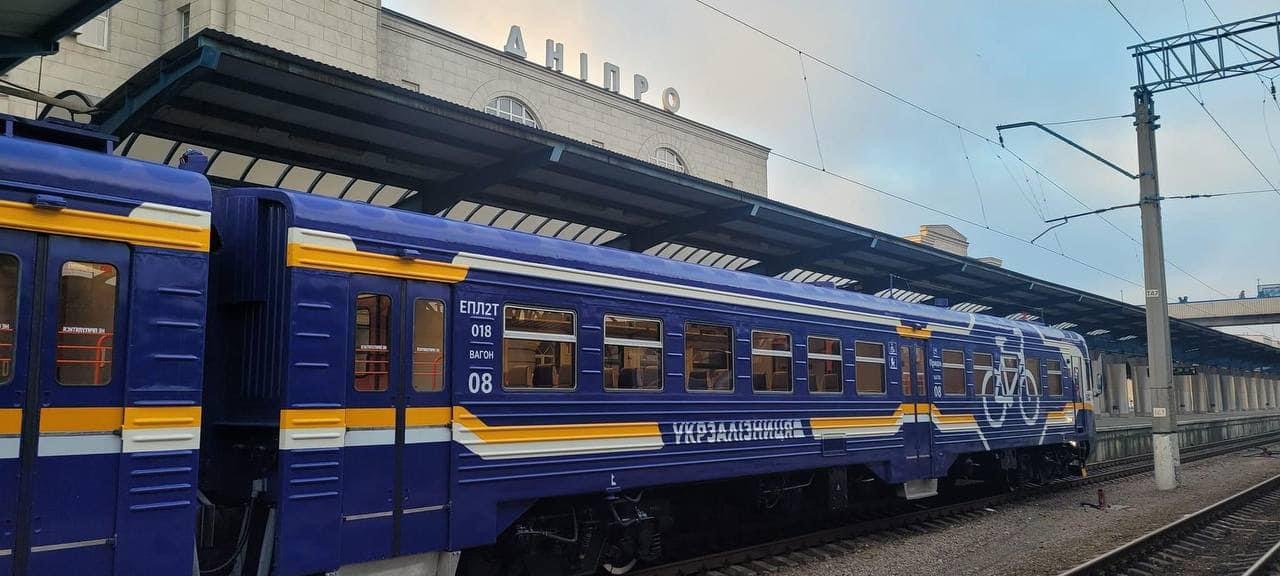
Ukraine's state railway company, Ukrzaliznytsia, said the drone struck a platform at Dnipro's main station where train No. 866, a commuter service on the Dnipro–Zaporizhzhia route, was preparing to depart. Despite an air raid alert and an announced heightened threat level, many people were still on the platform when the weapon hit.
Passengers had been told to evacuate from the stationary train around ten minutes before the strike, with station and train staff checking each carriage one by one, Ukrzaliznytsia said. Its chief, Oleksandr Pertsovsky, said an elevated threat level had been announced in Dnipro ahead of the attack, "but unfortunately there were still a large number of people on the platform."
Dnipro Mayor Borys Filatov called the strike a tragedy and confirmed that a civilian electric train had been hit. "This is a genocidal war. Have the guts to say things as they are," he wrote. Medics were at the scene within minutes, regional officials said, and rescue teams, police and emergency workers continued to work through the wreckage into the afternoon.
Four drones, one got through
According to Ukraine's Air Force, four Russian jet-powered drones were sent towards the Dnipropetrovsk region on Thursday morning. Air defences shot down three of them before they reached their targets; the fourth hit the station platform.
Jet-powered drones are a newer and faster addition to Russia's arsenal, harder to intercept than the propeller-driven Shahed-type weapons that have pounded Ukrainian cities for years. Their growing use against infrastructure targets has added to the strain on Ukraine's air defences, which officials say face an acute shortage of interceptor missiles.
Moscow has repeatedly targeted Ukraine's vast railway network, which carries troops, equipment, evacuees and grain, but it denies deliberately aiming at civilians. Thursday's strike, on a platform crowded with ordinary travellers in the middle of the morning, drew swift condemnation from Kyiv and its allies.
Deadly day across Ukraine
Dnipro was not the only target on Thursday. Ukrainian officials reported five more people killed in daytime strikes on other cities. In Chernihiv, in northern Ukraine, two teenage girls aged 15 were killed in a drone attack on a busy downtown street, and 23 people were wounded. In the central city of Kremenchuk, three people were killed when a strike hit an apartment building.
"Russia is deliberately hunting civilians: on trains, at stations, in residential buildings," Ukrainian Prime Minister Sergiy Koretskyi said on Telegram. "There is no justification for this terror, and there never can be."
The attacks came as Russian drone and missile strikes on critical infrastructure, including the rail network, have made civilian life increasingly fraught across Ukraine and added to the burden on an economy already battered by nearly five years of war.
Zelenskyy demands a response from allies
President Volodymyr Zelenskyy described the Dnipro attack as "horrific" and urged Ukraine's allies to answer it with tougher pressure on Moscow. "The Russians used a drone to attack a platform where a regular commuter train and a regular passenger train were standing," he said, adding that sanctions against Russia and its war machine "must not be eased for as long as this Russian war continues."
Zelenskyy again criticised a deal agreed earlier this month between US President Donald Trump and Russian President Vladimir Putin that eased some sanctions on Russian oligarchs and energy companies and allowed the United States to import Russian diesel. "How many such terrorist attacks has Russia carried out on our people after lifting sanctions on some Russian oligarchs and energy companies instead of de-escalating," he asked.
French President Emmanuel Macron reacted with outrage, stressing the need for "far more than a localised ceasefire" and saying it was "intolerable that Russia continues to reject all proposals to this end, choosing instead to pursue escalation and target civilians."
The criticism lands against a backdrop of fragile diplomacy: Trump has said a meeting between Putin and Zelenskyy could happen soon, a prospect covered in our earlier report on the proposed Putin–Zelenskyy meeting, though neither side has confirmed arrangements. Zelenskyy has also accused Moscow of violating an energy ceasefire, as detailed in our report on the alleged energy truce violations.
A fragile truce holds elsewhere
The Dnipro strike came as Ukraine and Russia strove to uphold a fragile local ceasefire in the ravaged southern city of Oleshky, under Russian occupation since 2022, where residents have faced months of food, water and medicine shortages. Moscow has made clear that the six-day humanitarian truce, brokered with US help, applies only to the Kherson region, to enable relief to reach Oleshky.
The truce was holding into its third day, both countries said, with Ukraine's human rights ombudsman, Dmytro Lubinets, announcing that he had set out with a Ukrainian delegation towards Oleshky through Belarus and Russia. Thursday's strikes elsewhere in Ukraine underlined how narrow that pause is — and how far the country remains from any broader end to the fighting.
For the families gathered on Dnipro's platform on an ordinary Thursday morning, the war arrived without warning and without distinction between soldier and civilian. The railway, long a lifeline for evacuation and supply, has once again become a front line.
Frequently Asked Questions
What happened at Dnipro railway station on 29 October 2026?
A Russian jet-powered drone struck a crowded platform at Dnipro's main railway station at around 11 a.m. local time, killing at least 14 people and wounding at least 14 more. A commuter train bound for Zaporizhzhia and a regular passenger train were standing at the platform when the drone hit, according to Reuters and The Kyiv Independent.
How many people were killed and injured?
Regional governor Oleksandr Hanzha said at least 14 people were killed and 14 wounded, six of them in serious condition. Thirteen of the wounded were hospitalised with multiple shrapnel wounds, including an 11-year-old boy, and a 40-year-old man had both legs amputated.
Why were so many people on the platform despite an air raid alert?
An elevated threat level had been announced in Dnipro before the attack, and passengers had been told to evacuate the stationary train about ten minutes earlier, with staff checking carriages one by one. But many people were still on the platform when the drone struck, Ukrzaliznytsia said.
Were there other attacks in Ukraine on the same day?
Yes. Two teenage girls were killed and 23 people wounded in a drone attack on a busy street in Chernihiv, and three people were killed in a strike on an apartment building in Kremenchuk, bringing the day's death toll outside Dnipro to five.
What has Ukraine asked its allies to do in response?
President Volodymyr Zelenskyy called the attack "horrific" and urged the United States, European countries and the G7 to impose further sanctions on Moscow, arguing that sanctions must not be eased while the war continues.