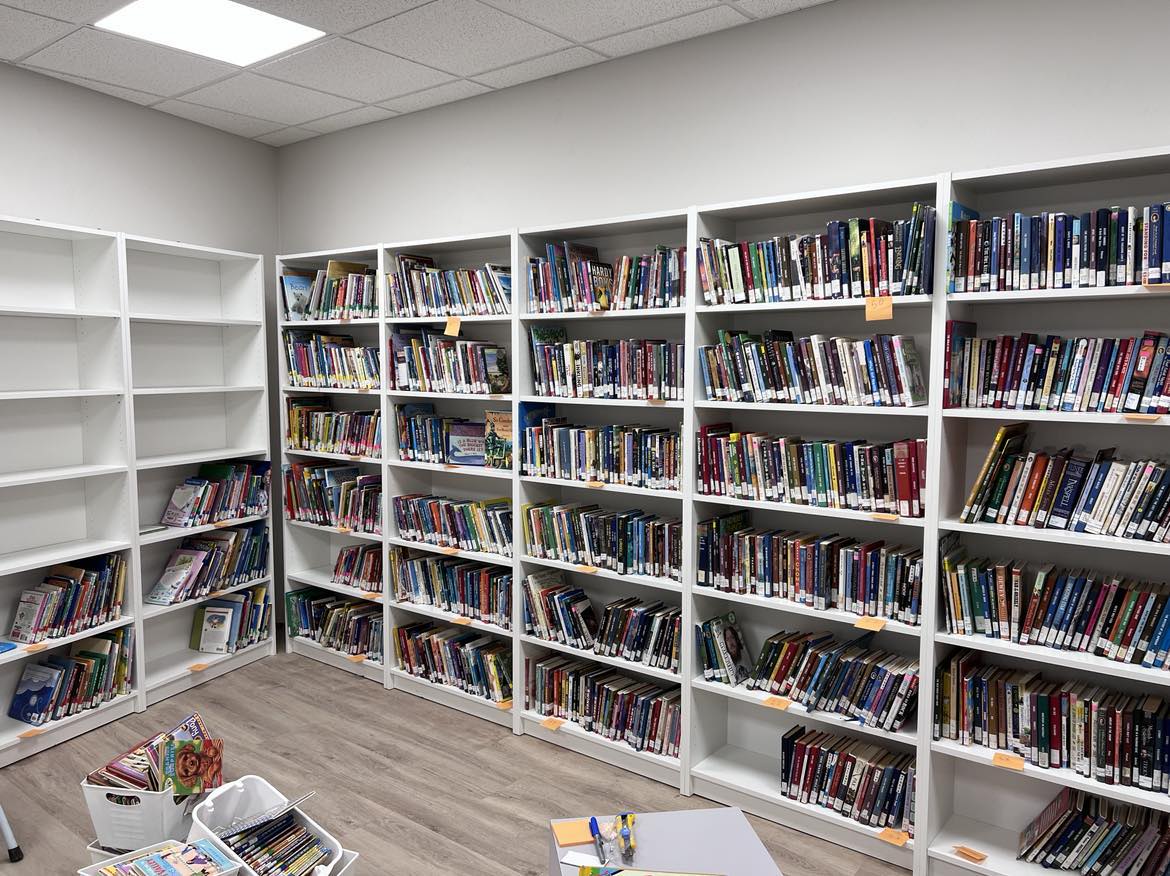
Book bans in American public schools have reached the highest level ever recorded. A new report from PEN America documents 11,982 instances of book removals during the 2025-26 school year — a record total driven overwhelmingly by two states, Texas and Florida, and, for the first time, by school officials using artificial intelligence to decide which titles to pull. NDTV reports that the bans affected 7,370 unique titles and the work of more than 4,000 authors, illustrators and translators.
The numbers mark a sharp acceleration. The previous school year saw 6,870 bans, meaning the total has climbed by roughly three-quarters in a single year — the steepest jump since PEN America began tracking school book removals in 2021. More than 4,500 of the banned titles were new to the organisation's index, the largest batch of first-time additions in one year.
Table of Contents
- Two states, most of the bans
- AI enters the book-screening business
- What is being removed — and who is writing it
- The pattern behind the bans
- Congress steps in
- Key takeaways
- Frequently Asked Questions
Two states, most of the bans
The geography of the surge is strikingly concentrated. Texas alone accounted for more than 8,100 bans — roughly three-quarters of the nationwide total and more than double the 3,200 recorded in Florida, the next most censorious state. No other state had more than 200 bans, according to the report.
PEN America attributes the Texas surge to SB 13, a state law passed in 2025 that barred books considered "profane" or "indecent" and forced districts into broad compliance sweeps. Florida's total reflects years of restrictive legislation and sustained pressure from politicians and activist groups. PEN America describes both states as blueprints for educational censorship, "where special interest groups, state laws, and politicians have converged to pressure school districts to restrict and remove access to books."
That pressure extends across 114 school districts — itself the highest district count ever recorded in a single school year. The free-expression organisation cautions, however, that the concentration partly reflects better information: its researchers obtained most of their Texas and Florida data through public-records requests, and removals elsewhere may simply be less visible.
AI enters the book-screening business
For the first time, PEN America's researchers found direct evidence that school administrators are using artificial intelligence to decide which books to remove. The Texas Freedom to Read Project obtained public records showing multiple schools feeding book lists into AI systems for screening. In several cases, the AI recommended banning a title not because of anything in the book itself, but because another district had already banned it — creating what PEN America calls a snowball effect, "while the expertise of librarians and the communities they serve are ignored."
As The Hill reported via WCIA, officials have described the AI tools as an efficiency measure for large backlogs. But the practice means automated systems are now compounding the original decisions, turning one district's removal into a recommended template for the next.
What is being removed — and who is writing it
More than half of the banned titles were young adult books, and more than 80 per cent were fiction. For the second straight year, Stephen King was the most frequently banned individual author, and the report notes that entire catalogues — King, Ellen Hopkins and others — are now being removed wholesale rather than title by title.
The most-banned individual book was Sold, Patricia McCormick's 2006 young adult novel about a Nepalese teenager sold into sexual slavery. New additions to the banned lists this year ranged from the 19th-century classic Jane Eyre to the Tokyo Ghoul manga series. Many bans now extend beyond schools' standard collection policies into manga and graphic novels, which have become a fast-growing target category.
Kasey Meehan, director of PEN America's Freedom to Read programme, warned that removing popular young adult fiction is particularly damaging given the broader decline in reading across the United States — stripping teenagers of the very books that get them reading in the first place.
The pattern behind the bans
PEN America's five years of tracking reveal a consistent profile. The report's analysis states that bans have "overwhelmingly targeted books about race and racism, LGBTQ+ people or characters, people or characters of color, and sex." Race, racism, sexuality and gender identity remain the most common triggers for challenges.
The American Library Association's complementary tracking of calendar-year 2025 tells a similar story: 4,235 unique titles challenged — its second-highest count ever — with 92 per cent of challenges initiated by organised groups, government officials or "decision makers" rather than individual parents, who accounted for fewer than 3 per cent. The trend, in both organisations' data, is the professionalisation of censorship: fewer lone complaints, more systematic campaigns. The pattern echoes the censorship protests Chronicle covered in India earlier this year, where artists and writers also pushed back against organised content suppression — a reminder that book fights are part of a broader cultural battle over expression, from novels to the publishing world's own award politics.
Congress steps in
The scale of the removals has now drawn Washington in. A resolution introduced in both the House and Senate — led by Representative Jamie Raskin and Senator Brian Schatz — cites PEN America's 11,982-ban figure and calls for renewed protection of free expression: urging districts to safeguard students' access to diverse viewpoints, uphold librarians' professional judgement, and repeal directives that restrict reading in public schools.
Gloria Walker, PEN America's manager of Policy and Government Affairs, said the resolution "documents the loss of access to thousands of stories, histories, and perspectives that help students understand themselves and the world around them."
Key takeaways
- PEN America recorded 11,982 school book bans in 2025-26, a record and a ~74 per cent jump from the previous year's 6,870.
- Texas (8,100+) and Florida (3,200+) account for the overwhelming majority; no other state exceeded 200.
- School officials are using AI to screen books for removal — sometimes recommending bans only because another district banned the title first.
- The most-targeted books concern race, racism, LGBTQ+ characters and sex; Stephen King remains the most-banned author.
- A congressional resolution led by Raskin and Schatz calls for renewed protection of the freedom to read.
Frequently Asked Questions
How many books were banned in US schools in 2025-26?
PEN America documented 11,982 instances of book bans in public schools during the 2025-26 school year, affecting 7,370 unique titles and more than 4,000 authors, illustrators and translators — the highest total since the organisation began tracking in 2021.
Which states ban the most books?
Texas leads by a wide margin with more than 8,100 bans, roughly three-quarters of the nationwide total, followed by Florida with more than 3,200. No other state had more than 200 bans recorded.
Why are school officials using AI to ban books?
Public records show some Texas districts have fed book lists into AI systems to screen for titles to remove under the state's SB 13 law. PEN America found the AI sometimes recommended banning a book only because another district had already removed it, creating a self-reinforcing "snowball effect."
What kinds of books are being banned?
The bans overwhelmingly target books about race and racism, LGBTQ+ characters and themes, characters of color, and sex. More than half of the banned titles were young adult books and more than 80 per cent were fiction; manga and graphic novels are a growing target.
What is Congress doing about book bans?
A resolution introduced by Representative Jamie Raskin and Senator Brian Schatz in both chambers cites PEN America's findings and calls on school districts to protect students' access to diverse viewpoints and on lawmakers to repeal directives restricting reading in public schools.