A poisoning case that began with a strangely bitter cup of tea has ended at an airport security checkpoint. A Chinese graduate student in microbiology at the University of Wyoming has been arrested on accusations she spiked a colleague's tea with a neurotoxic chemical, then tried to board a flight to China after police questioned her. Prosecutors say she was caught at Los Angeles International Airport on October 6 carrying laptops, electronic storage devices and documents that are now in the hands of investigators.
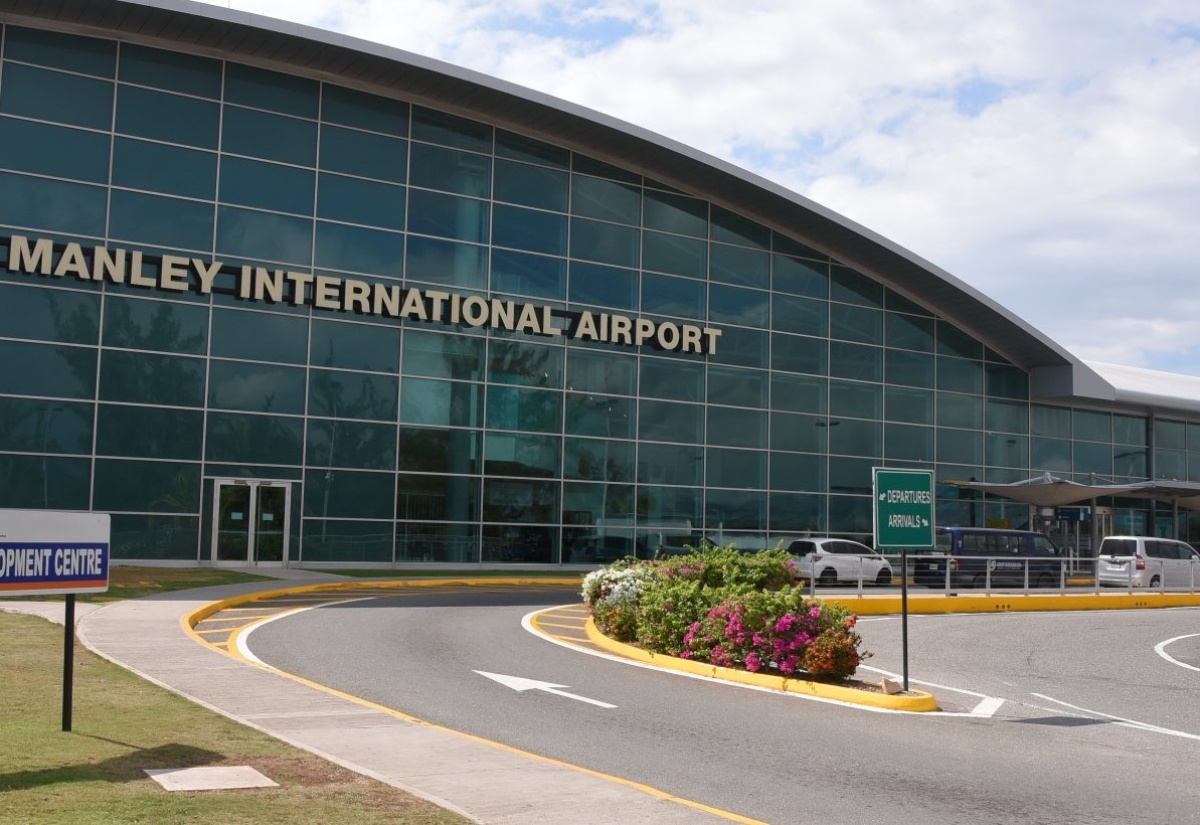
The arrest at LAX
Aili Wang, 32, was taken into custody on aggravated assault and battery charges as she allegedly prepared to return to China, according to court filings reported by the Associated Press. She remains jailed without bail in Los Angeles, and court records list no attorney for her.
The arrest came a day after investigators questioned Wang in Wyoming. Prosecutors allege that once she understood she was under suspicion, she moved quickly to leave the country — a detail that adds a layer of urgency to a case already drawing attention because of its espionage-like contours. With Wang, police say, were "multiple" laptops, electronic storage devices and research documents, which investigators believe may link her to the victim's federally supported work.
How the alleged poisoning was discovered
The alleged victim, identified in court documents only as K.T., is a Vietnamese graduate student whose research centres on technology for treating disease — work similar to research Wang had previously pursued in China. Beginning in August, K.T. began suffering severe fatigue, insomnia, numbness in his fingers and paralysis in his legs, according to SBS News.
The breakthrough came from the laboratory's humble coffee maker, which K.T. used to brew tea. One day he noticed a strange taste. Suspicious, his wife and colleagues evaporated water drawn from the machine and handed police the residue: 63 milligrams of a white powder later identified as acrylamide, a neurotoxic agent that can cause the exact catalogue of symptoms K.T. had been enduring.
Wang is alleged to have purchased the acrylamide through eBay. K.T. and campus police then installed surveillance cameras in the shared office space — footage that, investigators claim, showed Wang photographing the victim's research notes and rinsing K.T.'s cup with liquid poured from her own cup. Police further allege she was seen rummaging through K.T.'s desk.
A lab rivalry turned criminal case
Investigators have sketched a motive rooted in academic jealousy. K.T. held pending patents and was making major breakthroughs in new technology related to the treatment of cancer and genetic disorders — research that could one day have significant commercial value. Wang, meanwhile, had failed a preliminary thesis defence and did not get along with the victim, the AP reported.
Mark Gomelsky, the microbiology professor who supervised both students, told the Associated Press the allegations left him reeling. "It's been disheartening, to say the least, to see that one of your student's life is in jeopardy and another student may be responsible for that," he said, calling it one of the worst shocks of his professional career. He said he was uncertain whether K.T. would fully recover. If convicted, Wang faces up to ten years in prison.
Wang is presumed innocent until proven guilty; the charges are allegations, and the case will now work its way through the courts.
A familiar pattern in American universities
The case lands against a backdrop of years of accusations by US officials that China targets intellectual property developed at American universities. Whether Wang's alleged actions were driven purely by personal rivalry or by something larger is not yet clear from the filings — but prosecutors have clearly taken note of the overlap between K.T.'s disease-treatment research and Wang's earlier work in China, and of the research materials she was carrying when arrested.
The episode is a stark reminder that research security debates are no longer abstract: they now begin at office coffee machines. It is also the second China-linked arrest at LAX in recent months, after the FBI detained an alleged Chinese operative at the same airport in an earlier case — a sign of how closely federal authorities are watching the intersection of academic research, intellectual property and travel to China.
Related reading: FBI and DOJ seize hacking tools used by China-linked 'Flax Typhoon' campaign
Frequently Asked Questions
Who is Aili Wang?
Aili Wang is a 32-year-old Chinese national enrolled in a master's and doctoral programme in microbiology at the University of Wyoming in Laramie. She has been charged with aggravated assault and battery over allegations she poisoned a colleague's tea with acrylamide, a neurotoxic chemical.
What are the allegations against her?
Prosecutors allege Wang bought acrylamide on eBay and added it to the tea of K.T., a Vietnamese graduate student with pending patents in disease-treatment technology. K.T. suffered severe fatigue, insomnia, finger numbness and leg paralysis from August onward. Surveillance footage allegedly captured Wang photographing K.T.'s research notes and tampering with his cup. She is also alleged to have tried to flee to China after police questioned her.
Where and when was she arrested?
Wang was arrested on October 6 at Los Angeles International Airport, where prosecutors allege she was preparing to board a flight to China. Police seized laptops, electronic storage devices and documents she was carrying. She is being held without bail in Los Angeles.
What happens next?
Wang faces up to ten years in prison if convicted. Court records do not list an attorney for her. She is presumed innocent until proven guilty, and the case will proceed through the US court system.